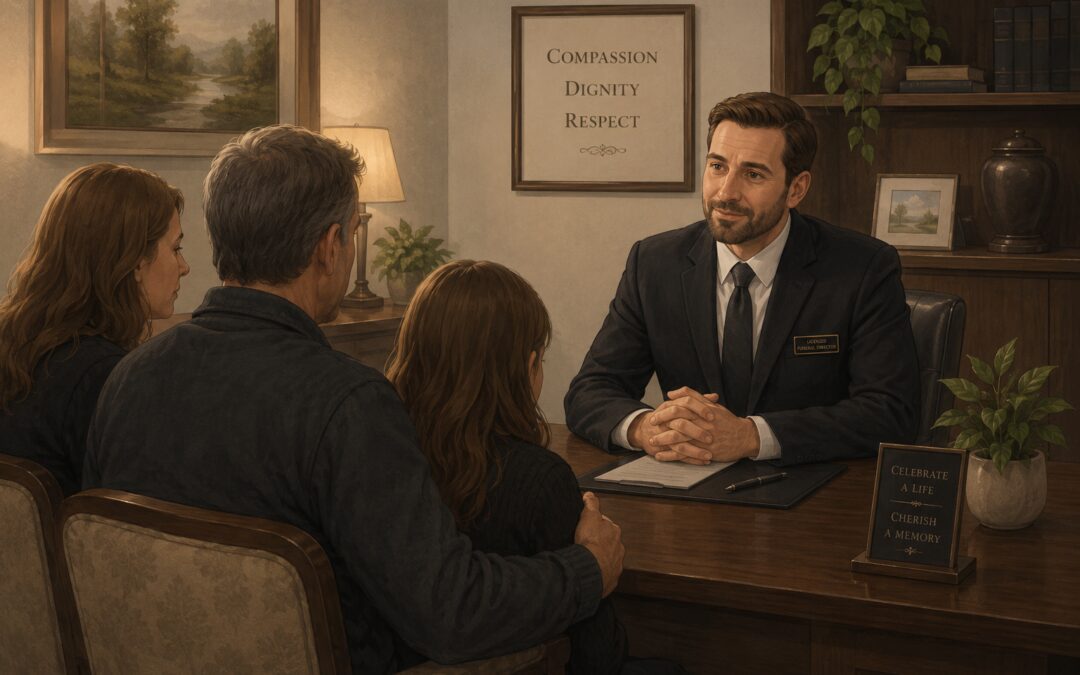
A family sits across from you during the at-need arrangement process. Their loved one died without warning. They are grieving and looking for answers. Then one of them asks: “Can we request our own autopsy?”
Many funeral directors feel unsure when this happens. Families requesting a private autopsy need a clear, caring response. This guide gives funeral directors a simple framework for handling these conversations.
Medical Examiner vs. Private Autopsy: Key Differences
Funeral directors should know how these two systems work.
A medical examiner works for the government and leads death investigations. The medical examiner performs an autopsy when a death is sudden, violent, or suspicious. They also step in when a death occurring without a doctor present needs official review. Their report belongs to the state.
A private autopsy works differently. A board certified forensic pathologist performs the examination of the body with no government involvement. The family owns the final reports.
Private autopsy vs. coroner autopsy differences come down to who is in charge. The coroner or medical examiner serves the state. The independent autopsy serves the family.
Many families do not know this choice exists. When the medical examiner’s office says no, a family-requested autopsy gives them a way forward. The NAME Forensic Autopsy Performance Standards define when a medical examiner takes charge of forensic autopsies.
What Is a Private Autopsy and How Does It Work?
A private autopsy is a postmortem examination done after death. It starts with consent from the legal next of kin. A board certified forensic pathologist then does a full external examination of the body. After that comes an internal examination of organs and tissue.
Performing an autopsy this way documents the cause of death and manner of death. The forensic pathologist puts all findings into final reports. The family can use these for legal claims, insurance disputes, or medical records.
How does a private autopsy work from beginning to end? The family calls a private autopsy provider. The provider sets up access with the funeral home. Performing an autopsy must happen before embalming, so early contact matters.
Independent autopsy services meet strong professional standards. The College of American Pathologists Autopsy Topic Center covers the role of board certified pathologists in performing autopsies.
The Funeral Director’s Role in the Process
The funeral director role in autopsy coordination is about logistics. Funeral directors do not perform autopsies or give medical opinions.
Key tasks include:
- Holding the body and adjusting the prep timeline
- Sharing access details with the autopsy provider
- Keeping the family updated on scheduling
- Noting that independent autopsies were requested and done
Can a funeral home arrange a private autopsy? Many do. Funeral homes often coordinate with an autopsy provider as part of at-need services, when families request it.
Families requesting independent autopsy services need a clear point of contact. Funeral homes can fill that role without crossing professional lines.
How to Refer a Family for a Private Autopsy
Knowing how to refer a family for a private autopsy is a key skill for funeral directors. The process is simple and repeatable.
Acknowledge what the family is going through. They want peace of mind and clear answers. Then tell them what the funeral home can do:
“We can hold the arrangements until an independent exam is done. A forensic pathologist private autopsy provider can work within our schedule. We can connect you with a service that handles these cases often.”
At-need arrangement autopsy questions come up more than many funeral directors expect. The autopsy referral process for funeral directors works best when a trusted provider is already in place. What should a funeral director say about private autopsy requests? Keep the message brief, factual, and caring.
How 1-800-Autopsy Works With Funeral Homes
1-800-Autopsy offers private autopsy services built around funeral home timelines. Their board certified forensic pathologists conduct independent autopsies across the country. Final reports go straight to the family.
When a funeral director refers a family, the steps are clear. The family contacts 1-800-Autopsy. The provider confirms scheduling with the funeral home. The examination of the body is done before preparation begins.
Their funeral home coordination page shows how they work alongside funeral professionals. For a full list of autopsy services, visit the 1-800-Autopsy services page.
Families requesting an independent autopsy after unexpected death need a provider who respects funeral home timelines. Referrals can be made through the private autopsy page. Details for funeral home professionals and all available services are on their website.
Frequently Asked Questions
What is a private autopsy?
A postmortem examination ordered by the legal next of kin and performed by a board certified forensic pathologist. The exam takes place with no government involvement. The family gets the final reports for legal, medical, or personal use.
When does a medical examiner perform an autopsy?
A medical examiner performs an autopsy when a death occurring under suspicious or unexplained conditions falls within their jurisdiction. When the medical examiner’s office says no, families can pursue independent autopsy services through a private provider.
Can a funeral home arrange a private autopsy?
A funeral home can make the referral and set up body access. The service agreement is between the family and the autopsy provider. Funeral home coordination with the autopsy provider keeps things moving without placing medical responsibility on funeral staff.
How should a funeral director respond to autopsy questions?
Acknowledge the family’s need for answers and peace of mind. Let them know that private autopsy services exist and that the funeral home can connect them with a provider. Confirm that the body can be held until the examination of the body is complete.