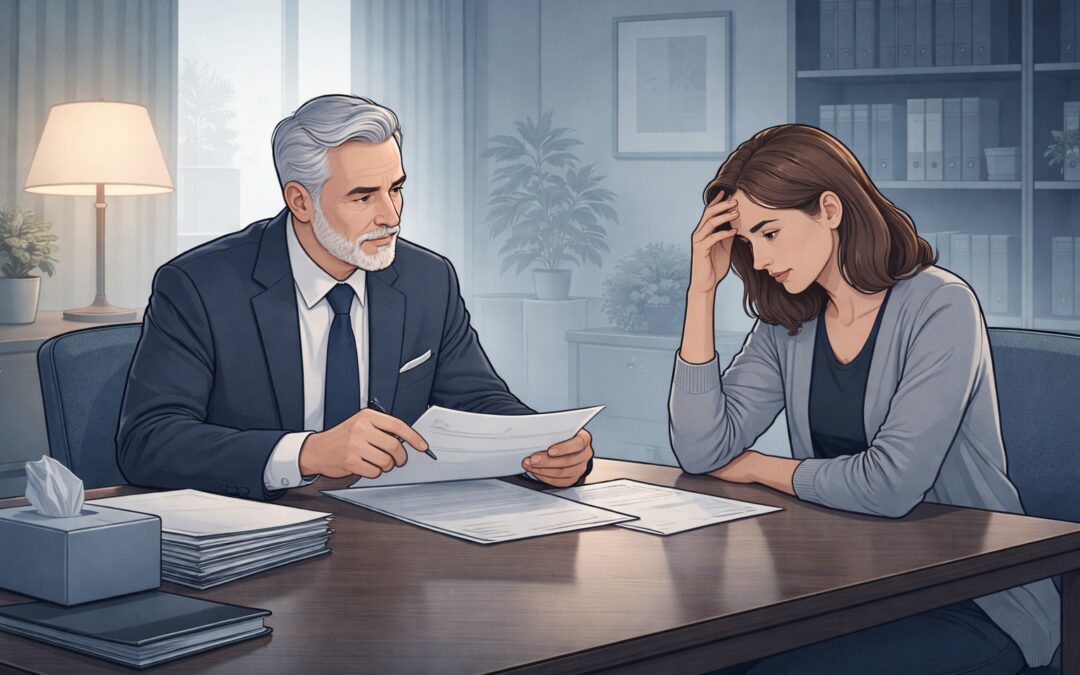
A loved one has died from mesothelioma. The family is grieving. An attorney is working against a deadline. A critical window is closing fast.
A mesothelioma wrongful death claim depends on evidence. Without tissue evidence confirmed by a qualified forensic pathologist, that claim becomes harder to win. This article covers what surviving family members and attorneys must do before burial or cremation. A postmortem mesothelioma diagnosis is one of the most powerful steps toward building a strong case.
The State of Mesothelioma Wrongful Death Litigation in 2026
Mesothelioma wrongful death lawsuits are growing across the United States. Asbestos-related illnesses have long latency periods. Many people exposed to asbestos decades ago are only now dying from mesothelioma. Families file claims in record numbers as a result.
In 2026, mesothelioma death settlement amounts vary widely. Many cases settle between $1 million and $2.4 million. The final amount depends on the evidence, the state laws that apply, and the defendants named.
An asbestos trust fund claim is another legal option for families seeking compensation. Over 60 asbestos trust funds exist today. Together, they hold billions set aside for mesothelioma victims.
Every asbestos wrongful death attorney handling these cases faces the same core challenge: proving causation. That means showing that asbestos exposure caused the death. Postmortem lung tissue examination is one of the strongest ways to prove this in court. Without it, cases involving asbestos exposure become far harder to win.
Why Postmortem Tissue Evidence Is Critical to Your Case
A wrongful death case built on physical evidence is stronger than one built on medical records alone. Postmortem lung tissue review gives attorneys documented, pathologist-confirmed proof tied directly to a loved one’s death.
When a forensic pathologist examines lung tissue after death, they can identify asbestos fibers in the tissue. They confirm mesothelioma at the cellular level. This goes beyond a clinical diagnosis made during life.
The result is an independent, objective record that holds up under cross-examination. Mesothelioma autopsy evidence serves several key functions in a wrongful death case:
- It confirms the cause of death as mesothelioma
- It documents asbestos fiber levels in the lung tissue
- It establishes the type and severity of the disease
- It supports a mesothelioma trust fund claim or asbestos trust fund claim filed against specific defendants
- It gives attorneys usable material for expert testimony
The American Cancer Society notes that mesothelioma diagnosis requires tissue confirmation. A postmortem lung exam meets that standard and strengthens the case with independent forensic review.
For any asbestos attorney working on how to file a mesothelioma wrongful death claim, securing tissue evidence is the first step. Confirming the diagnosis is the second. Every step after that builds on those two.
The Narrow Window: Why Timing Controls Everything
Many families and attorneys do not know this until it is too late. Once a body reaches a funeral home for burial or cremation, biological evidence disappears.
Legally, a wrongful death case can move forward after cremation. Practically, the case becomes much harder without tissue evidence.
Cremation destroys lung tissue completely. Burial degrades it over time. Exhumation is expensive, emotionally painful, and legally complex.
The window is narrow. Most families make burial decisions within days of a loved one’s death. By the time an asbestos attorney enters the picture, arrangements may already be underway. Cases are often lost before the legal process even begins.
A key question in any asbestos case involves how long after death an autopsy can be performed and still return usable results. Postmortem tissue quality declines within hours. A lung-only autopsy done within 24 to 48 hours after death provides the best tissue.
This makes it ideal for examining the lungs after death. Waiting longer weakens the findings and complicates filing a mesothelioma lawsuit.
Families who contact a provider right away give their attorneys the tools they need. Attorneys who know this timeline can guide families from the moment they are retained. That coordination keeps the wrongful death case alive.
What a Lung-Only Autopsy for Mesothelioma Actually Involves
A lung-only autopsy for mesothelioma is a targeted procedure. It focuses on the lungs and pleural tissue. No full-body exam is performed. This keeps the process focused, respectful, and medically precise.
1-800-Autopsy provides a dedicated postmortem mesothelioma diagnosis service performed by board-certified forensic pathologists. The process typically includes:
- Retrieval or transport coordination for the deceased
- Careful removal of lung and pleural tissue samples
- Cellular-level examination to identify mesothelioma
- Asbestos fiber burden review to document exposure
- A formal written report ready for use in litigation
This is a private autopsy for legal cases. It operates separately from the hospital, the coroner, and the medical examiner. That separation matters in court.
The team works directly with legal teams throughout the process. They understand what documentation attorneys need. They also know how to prepare findings for expert testimony. 1-800-Autopsy’s legal and medical support services give attorneys direct access to forensic expertise built for legal outcomes.
Families do not need to handle this alone. The process moves with care and professionalism. For surviving family members, it helps to know a qualified expert reviewed postmortem lung tissue.
This can bring real peace of mind during an overwhelming time.
Why an Independent Autopsy Outperforms Hospital or ME Findings in Court
Hospital autopsies and medical examiner reports serve their own purposes. Building a wrongful death case is not among them. An attorney who relies only on those findings accepts conclusions from someone outside the legal process. This person has no focused training in asbestos-related forensic work.
An independent autopsy for wrongful death produces a different result. Here is what sets it apart:
- The forensic pathologist focuses on the mesothelioma diagnosis after death
- The process is documented with the legal process in mind from the start
- The report includes asbestos fiber review that hospital autopsies routinely skip
- The pathologist can testify as an expert witness in court
- The findings are free from institutional filters or administrative limits
For a wrongful death claim mesothelioma attorney in California or any other state, independent findings from a credentialed forensic pathologist carry more weight than a general hospital report. Defense attorneys know this. Plaintiff attorneys should use it.
Asbestos exposure death autopsies require focused knowledge. Not every pathologist can identify asbestos fiber types, measure fiber levels, or separate mesothelioma from other lung cancers at the cellular level. That focused skill set separates a report that holds up in court from one that gets dismissed.
Private autopsy services for attorneys exist because legal and medical standards are different. Bridging that gap takes a provider who understands both worlds.
How Families and Attorneys Can Work With 1-800-Autopsy
Reaching out to 1-800-Autopsy is simple and straightforward. Families dealing with an asbestos-related illness do not need to manage the logistics alone. The team handles coordination, transport, tissue review, and reporting. They work around tight timelines because they know how fast the window closes after a loved one’s death.
Attorneys can reach out directly before the autopsy takes place. Early communication helps the pathologist collect the right samples. It also ensures findings get documented in the format legal teams need most.
Families can also contact 1-800-Autopsy directly. Detailed information about autopsy options for surviving family members is on the website. The team explains the process, answers questions about postmortem lung tissue review, and helps move things forward without delay.
For a full picture of what the service covers, the complete list of autopsy services is available on the site. Preserving tissue evidence after death protects the family’s legal options and keeps the wrongful death case moving forward.
Conclusion: The Evidence Window Will Not Wait
A mesothelioma wrongful death claim succeeds or fails on its evidence. Postmortem mesothelioma diagnosis through a lung-only autopsy secures that evidence before death certificates are filed and burial decisions are finalized. Surviving family members have days to act. Attorneys may have even less time.
The legal landscape for mesothelioma wrongful death lawsuits in 2026 rewards preparation. An asbestos trust fund claim is within reach. Settlements are substantial. However, these outcomes depend on confirmed medical evidence.
An independent forensic pathologist’s mesothelioma report gives attorneys what they need. It helps when filing a mesothelioma lawsuit for a grieving family.
Gathering evidence through postmortem lung tissue analysis is the most reliable way to build that foundation. Burial arrangements should not be finalized before this step is taken. A coroner or hospital report alone is rarely enough for an asbestos case.
Contact 1-800-Autopsy for a postmortem mesothelioma diagnosis right after a mesothelioma-related death. That one step protects the family and preserves evidence that disappears once burial takes place.
For attorneys and families who need guidance now, 1-800-Autopsy’s legal and medical support team is ready to help.
Frequently Asked Questions
What is a postmortem mesothelioma diagnosis?
A postmortem mesothelioma diagnosis is a formal medical finding made after death. A board-certified forensic pathologist examines lung and pleural tissue, confirms mesothelioma at the cellular level, and documents asbestos fiber levels. The written report supports wrongful death litigation and strengthens an asbestos trust fund claim.
How long after someone dies can a doctor perform a lung-only autopsy?
Postmortem tissue quality declines within hours of death. A lung-only autopsy done within 24 to 48 hours returns the most usable tissue. Waiting longer increases the risk of breakdown that weakens the findings. Families and attorneys should contact a private autopsy provider right away after a mesothelioma-related death.
Can surviving family members file a wrongful death claim after cremation?
A wrongful death claim can be filed after cremation. However, cremation destroys lung tissue and removes the option for postmortem lung tissue review. Without tissue evidence, the case becomes much harder to prove. Acting before burial or cremation protects the family’s legal options and preserves the strongest evidence available.
Why is an independent autopsy better than a hospital or coroner report for litigation?
Hospital autopsies and coroner reports are not built for legal use. They often skip the asbestos fiber review and pleural tissue documentation that cases involving mesothelioma require.
An independent forensic pathologist prepares the exam and the report with legal standards in mind. They can also testify as an expert witness. For a wrongful death claim mesothelioma attorney in California or elsewhere, that preparation makes a meaningful difference.
What does a mesothelioma wrongful death settlement typically cover?
Mesothelioma wrongful death settlements typically cover medical expenses, lost income, funeral costs, and compensation for the family’s loss. Settlement amounts depend on the strength of the evidence, the number of defendants, and the state laws that apply. Cases based on confirmed postmortem lung tissue reviews and independent expert findings often lead to better outcomes for families.