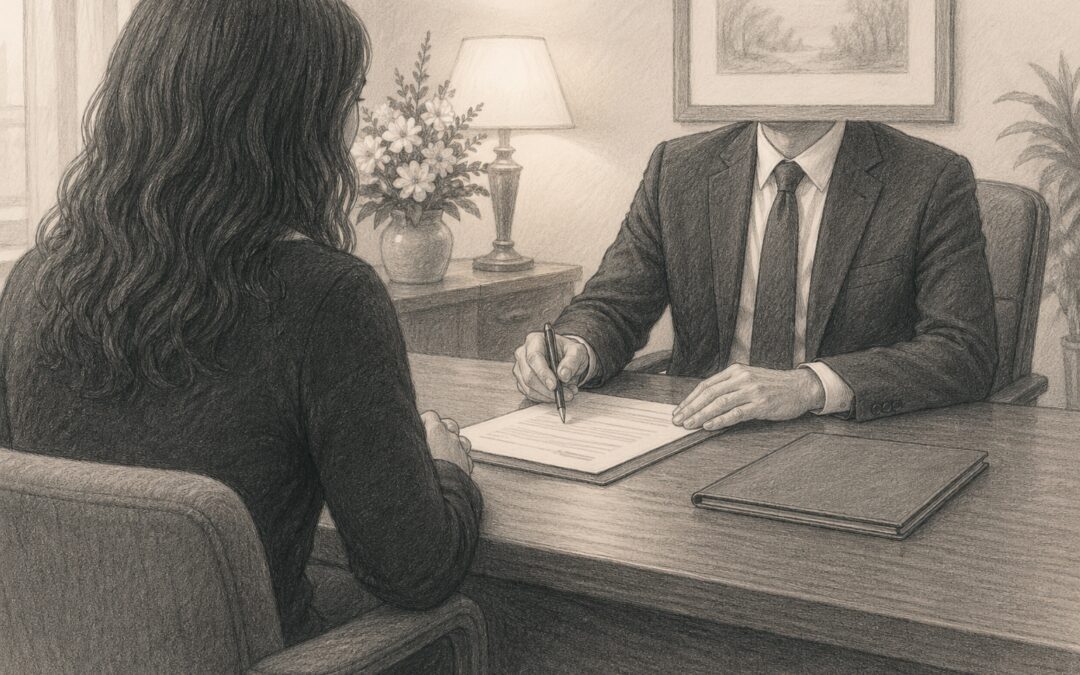
A family calls your funeral home after an unexpected death. Before you can discuss funeral arrangements, someone asks: “Can we get a private autopsy?” You are ready to help, but uncertain where to begin.
Unexpected death family questions about autopsy arise more often than most funeral directors expect. Families turn to you first because they trust you. Responding with clarity and confidence serves them well in that moment.
Private Autopsy vs. Medical Examiner: Key Differences
Both autopsy services examine the body after death, but they serve different goals.
A medical examiner performs an autopsy when the law requires it. The medical examiner’s office handles sudden, violent, or suspicious deaths. When a naturally death occurs without suspicious factors, the medical examiner may decline to perform an autopsy at all. The family does not commission this examination and does not control the final autopsy report.
A private autopsy works differently. Legal next of kin chooses to request one through an independent provider. A board-certified forensic pathologist performs the postmortem examination of the body. The family receives the autopsy findings and can use them for legal claims, insurance disputes, or personal clarity.
When a family doubts a cause of death linked to a medical condition, a second autopsy opinion can help. It provides an independent review. The difference between a coroner’s office and private pathologist is something every funeral director should understand well.
When Families Ask About Independent Autopsy Services
Certain situations trigger a family-requested autopsy:
- A loved one died in a hospital. The family suspects a medical error. They think it involved a pre-existing medical condition.
- The medical examiner’s office declined because the death appeared natural
- Death occurred in a care facility and the family needs records for a lawsuit
- A life insurance policy requires proof of cause of death
- The official autopsy findings do not match what the family was told
In each case, the family carries grief alongside unanswered questions. Your role is to connect them with credible help. See how 1-800-Autopsy handles funeral home autopsy coordination for these situations.
Private Autopsy Provider Credentials to Look For
When you refer a family, point them to a provider with clear private autopsy provider credentials.
A board-certified forensic pathologist examines the deceased person and collects tissue samples. The pathologist also reviews medical records and produces the final autopsy report. That examination process is what a forensic pathologist does in a postmortem investigation.
Look for:
- Board certification from the American Board of Pathology’s forensic pathology program
- Active state license
- Special training and experience with death investigations
- Clear timelines for the final autopsy report
1-800-Autopsy uses board-certified forensic pathologist autopsy standards and follows practices aligned with the National Association of Medical Examiners in the United States. Review private autopsy services and credentials before making a referral.
How Long Does a Private Autopsy Take and How It Fits Your Schedule
Families often ask how long a private autopsy takes. The physical postmortem examination usually wraps up within one to two days. Lab work may take several more weeks, and the provider issues the final autopsy report after all testing finishes.
Here is how postmortem examination coordination fits your workflow:
- The family contacts 1-800-Autopsy or you start the referral
- The provider confirms transport, location, and timing
- The exam is scheduled around burial or cremation timelines
- You stay the family’s point of contact throughout
The funeral home coordination process at 1-800-Autopsy works alongside your schedule. If the medical examiner’s office holds the body, their death investigation must end first. Families need to know this early.
How to Talk to a Grieving Family About Autopsy
This conversation requires care. Begin by inviting the family to share what they hope to learn.
Many families feel hesitant to raise the topic. Letting them know that questions about independent autopsy services after an unexpected death are common and reasonable can help. It may put them at ease.
Be direct about what falls within your role and what does not. You are not a forensic pathologist. Your job is to confirm that a family-requested autopsy is an option. Then connect them with the right provider.
Keep the language simple and direct. Say something like: “There are independent doctors who can examine your loved one and give you their own autopsy findings. I can connect you with a provider who handles this regularly.” A dedicated team writes the family support resources at 1-800-Autopsy specifically for people working through this kind of decision.
The Value of a Death Care Professional Referral Network
Funeral directors who build a referral network in death care have a reliable answer ready.
They will keep getting these questions.
The full range of autopsy services at 1-800-Autopsy covers private autopsies, second opinion autopsy services, and full postmortem examination coordination. The NFDA’s continuing education resources help funeral professionals who expand their knowledge of post-death options serve families better. A strong referral network supports that growth.
Conclusion
Families will ask about private autopsies. The main difference between a private autopsy and a medical examiner investigation depends on two things.
One is who requests the body examination. The other is who receives the autopsy results. Private autopsy services give families answers when the medical examiner’s office does not.
Your job is to serve the family. Know who to call, how to explain the process, and how to fit it into your schedule. If your funeral home lacks a referral process for independent autopsy requests, now is the time to build one.
Frequently Asked Questions
Can a funeral home arrange a private autopsy for a family? A funeral home connects the family with a licensed provider. A board-certified forensic pathologist then performs the examination of the body. Funeral directors handle coordination without stepping outside their professional role.
When does a medical examiner perform an autopsy, and can a family still request a private one? The medical examiner’s office performs an autopsy when a death falls under legal rules. After the office releases the body, legal next of kin may request a private autopsy. A private postmortem examination can support or challenge the official autopsy findings.
How much does a private autopsy cost? Private autopsy cost depends on the scope of the examination and the lab work required. Families should request a clear fee breakdown from the provider before proceeding.
What should a funeral director say to a family asking about an independent autopsy? Invite them to share what they hope to learn. Use direct, simple language. Let them know independent autopsy services are available and offer to connect them with a qualified provider.