Burial does not close the door on the truth. Exhumation for autopsy can still open it. This is true even months after a funeral.
For many families, a second autopsy after burial is the start of a full nursing home abuse investigation. This Ohio nursing home abuse case shows what can happen. A family did not accept the first answer they got.
The Ohio Case That Changed a Death Certificate
In September 2026, officials first recorded a nursing home death in Ohio as natural causes. The family grew suspicious. They pushed for an outside review.
That review led to exhumation and a second forensic autopsy. It found things the first review missed. Many people search for the ohio nursing home death reclassified homicide case. They are asking one thing: why was cause of death changed to homicide only after the family stepped in, and not sooner.
This pattern is common. A facility gives an explanation tied to existing medical conditions. The family signs off. Burial happens fast.
Only later did the family act. They pursued a formal review by the coroner and medical examiner. That review reopened the case.
What Evidence Survives After Burial
Many families think evidence disappears once a body is buried. That is not how forensic pathology works.
Bones can stay intact for years. So can organ tissue and traces of many substances. Forensic pathologists performing a second autopsy can often find:
- Fractures from falls, restraint injuries, or physical abuse
- Signs of severe, untreated pressure ulcers
- Dehydration or malnutrition that does not match the person’s medical history
- Injuries that do not match the manner of death on the original death certificate
The state of the remains depends on a few things: embalming, burial depth, soil type, and time. That is why a review of the original case file matters before exhumation happens.
The forensic autopsy evidence timeline helps families know what to expect. Evidence quality depends on how long ago the person died. A full autopsy shows far more than a simple external examination.
That is why second autopsies and forensic autopsies matter. Investigators need them to decide if findings can support legal action.
Families often ask how long after death can an autopsy detect abuse. They also ask: can you exhume a body for autopsy years later. Both depend on one thing: how well someone preserved the remains.
How to Request an Exhumation and Second Autopsy
Exhumation is a legal process. A family cannot arrange it alone.
Usually, a family member, attorney, or law enforcement agency asks a court for permission. Or they ask the medical examiner’s office. They must give a reason, like new evidence or something suspicious.
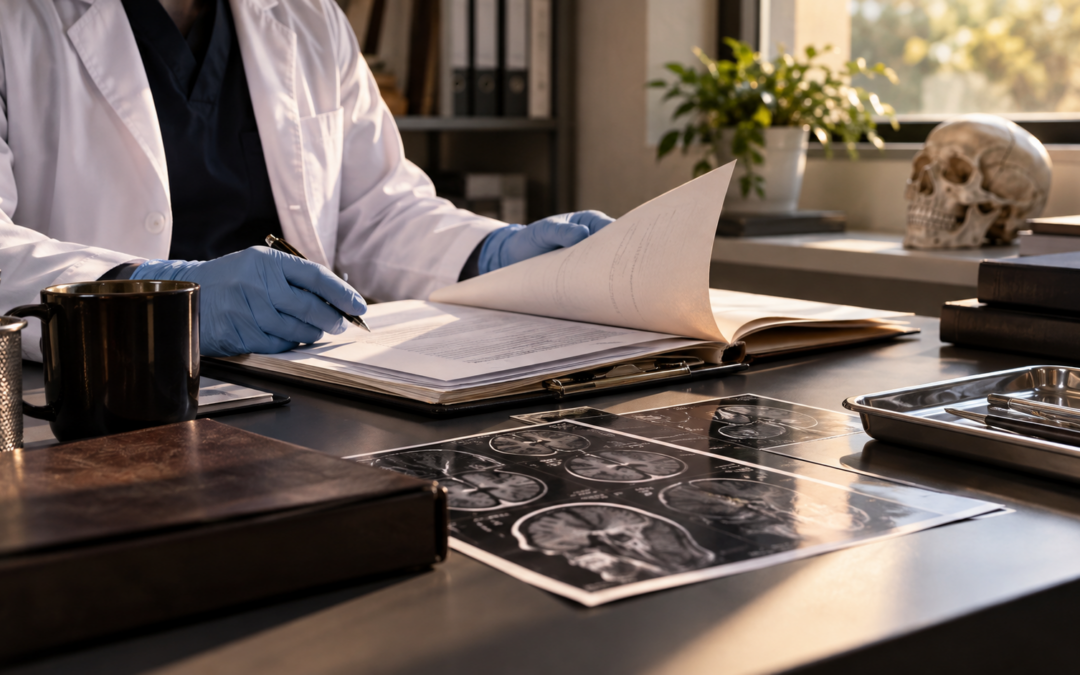
Once approved, a forensic pathologist performs the second autopsy. The pathologist documents the findings in a new autopsy report. That report can update the death certificate.
Every coroner exhumation process looks a bit different. That is why a medical examiner second opinion death review can help. It helps a family decide if they should move forward.
An elder abuse attorney or wrongful death attorney can guide them. Family members do not need to do this alone. Help built for families in this exact situation can make it far less hard.
A wrongful death attorney nursing home families trust can do more too. They can connect a family with a suspicious nursing home death lawyer if the case needs to go to court.
Warning Signs That Should Prompt an Autopsy Before Burial
Requesting an autopsy before burial is easier than exhumation later. Spotting the signs of nursing home neglect early can make that difference. Families should ask for an autopsy if they notice:
- Unexplained bruising, cuts, or fractures at the time of death
- Missing or mixed-up medical records before the death
- A cause of death that does not match the person’s known medical history
The same warning signs before burial nursing home death cases often appear again later. Attorneys look for them.
They use them to figure out how to prove nursing home abuse after death, even when no one performed an autopsy at the time.
The Role of Funeral Homes and Hospice Providers
Funeral homes and hospice providers are often the first to notice small details. Grieving families can miss these same details.
Working with a funeral home that handles cases needing more investigation helps preserve options for the family. People often overlook the funeral home role in exhumation.
Funeral homes keep records. Those records can support a hospice death investigation long after burial. Nursing homes do not always share information openly.
Families moving forward with exhumation should also contact the coroner’s office in charge of the case early. Timing and legal rules vary by place.
Frequently Asked Questions
Who performs an autopsy after exhumation?
A medical examiner or a court-appointed forensic pathologist usually performs the autopsy after exhumation. They often work with a review process so the second opinion is clear and complete.
What should a family do if they suspect nursing home neglect after a death?
Start by asking for the full medical records from the nursing home. Then contact an elder abuse attorney or wrongful death attorney.
Ask about pursuing exhumation. Resources for families facing this can help make the next steps clear.
Moving Forward After a Suspicious Nursing Home Death
Burial does not close the door on the truth. Exhumation for autopsy gives families a real path to answers. This matters when a nursing home death raises more questions than it answers.
The Ohio case shows one thing clearly: a natural death determination is not always final.
Speak with a forensic autopsy provider early. Speak with an elder abuse attorney too. This can decide whether the evidence stays safe. It can also decide whether legal action stays possible.
Want to learn more about how a forensic autopsy works? Read the National Association of Medical Examiners’ position paper on second autopsies. It explains the standards forensic pathologists follow.
Want to learn more about elder abuse? Read the Administration for Community Living’s guidance on suspected abuse, neglect, or exploitation.