Research institutions need a steady supply of tissue, bone, fluid, and DNA. But that supply is shrinking.
Hospital autopsy rates keep falling. Tissue banks feel the squeeze. Finding good tissue procurement services is now one of the biggest challenges in research.
This gap is why more tissue banks and research groups now look outside the hospital system. They want a steady organ procurement partner they can count on. An independent autopsy provider can fill that role. With decades of experience serving research institutions, these providers offer the flexible service and clear paperwork that clients need.
Why Hospital Autopsy Rates Are Declining
Hospital autopsy rates have dropped for decades. Fewer hospitals treat autopsies as routine care. Many pathology departments have cut back staff and budget for this work.
The Joint Commission once required hospitals to keep autopsy rates above 20 percent. That rule ended in the 1970s. Since then, rates have fallen fast.
According to Yale School of Medicine, hospital autopsy rates sat near 50 percent in the 1950s. Today, some pathologists estimate the rate is as low as 5 percent.
This decline matters for research right now. Research tissue demand outpacing supply is already a real, current problem. Fewer hospitals perform autopsies, so tissue banks must look elsewhere for reliable sources.
An independent autopsy provider steps in to close that gap. No single hospital’s budget or staff limits hold these providers back. They can commit trained teams and equipment to procurement work full time. Learn more about this focused approach through a dedicated procurement program built around research needs.
What Full-Range Tissue Procurement Looks Like
Not every provider offers the same services. Research institutions often need more than one type of sample. Switching between vendors for different needs slows projects down and adds risk.
A strong partner should offer:
- Postmortem tissue collection for many kinds of research
- Bone and tissue procurement for research projects that need skeletal or connective tissue
- Postmortem fluid collection for research such as drug testing or biomarker studies
- DNA collection for research institutions studying genes or family health traits
One provider handling every part of this means fewer handoffs. It also means one point of contact instead of five.
Review the full list of collection and sample services. It shows what a complete tissue bank procurement services program can include.
Track every sample collected for research purposes from the moment of collection. A single autopsy provider for research institutions can keep sample collections organized under one system instead of several.
How Does Tissue Procurement Work?
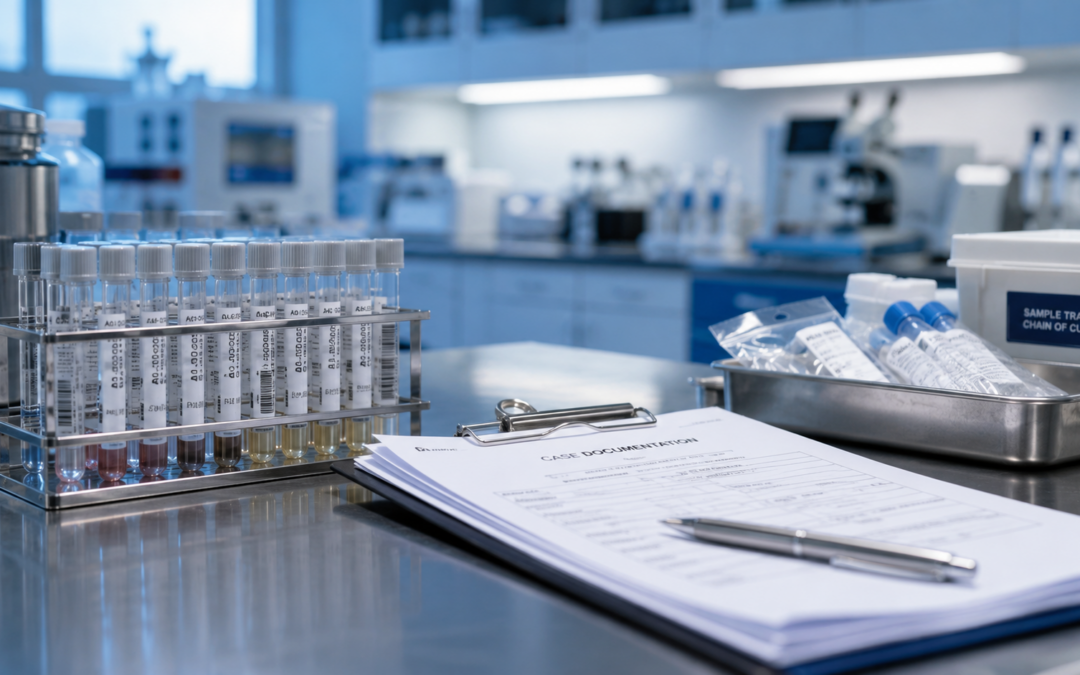
Tissue procurement follows a clear process. First, the team checks consent and protocol details. Next, they collect the sample within a set time window. Then they log, pack, and ship the sample under a checked chain of custody.
Each step matters. Skip one, and the sample may lose its value. This is why institution-specific procurement protocols matter so much.
Every tissue bank has its own rules. Some need samples within hours of death. Others need set storage temperatures or forms tied to their review board.
A good procurement partner builds its process around each client’s rules, not the other way around. This means training staff to follow different paperwork steps.
It means adjusting timelines to fit each study. It also means talking openly with donor families and treating every conversation with care and respect. How staff treat a family shapes both the family’s experience and the client’s good name.
Protocol-compliant tissue collection also depends on understanding manner of death. This affects whether researchers can use a sample at all. An experienced provider knows these rules well. That helps institutions get material that meets both scientific and legal standards.
What to Look for in a Tissue Procurement Partner
Good intentions do not move samples. Good logistics do. When you weigh what to look for in a tissue procurement partner, focus on three things: speed, transport, and paperwork.
Turnaround time for tissue collection matters most. Tissue quality drops fast after death. A provider who responds quickly protects the value of every sample.
Transport matters too. Poor handling during transit can ruin even a well-collected sample. Chain of custody documentation autopsy records matter just as much. Institutions need proof of exactly how a sample was collected, stored, and moved.
These standards apply across hospital work too. See how procurement fits into broader hospital partnership programs that support pathology and research teams. Institutions working with organ procurement organizations already know how much documentation matters for public trust. The same rule applies to independent partners.
Communication with a donor family also depends on this same discipline. Families deserve clear, honest answers, and high quality documentation makes those answers possible.
A provider with strong hospital and pathology relationships can pull medical records and case details fast. That builds trust on both sides when family members have questions. The same rigor applies to general pathology work and to forensic pathology cases tied to a medical or legal review.
Why Decades of Experience Still Matter
Experience shapes how a team handles the unexpected. A team that has worked hundreds of cases has already seen the hard cases. They have handled tight deadlines, unusual protocols, and difficult family conversations.
Experience also builds trust. Research institutions, university programs tied to a school of medicine, and tissue banks all want the same thing: a partner who has already solved the problems they are likely to face. Decades of experience autopsy services bring more than skill. They bring good judgment and steady work.
This experience supports public health too. Steady procurement keeps research moving. That helps build better treatments and tools over time.
Choosing the Right Partner for Long-Term Needs
If you are looking into how to find a tissue procurement partner, skip the ad copy. Focus on the basics: service range, flexible protocols, speed, clear paperwork, and a real track record.
What is tissue procurement, at its core? It comes down to trust.
Research depends on this: teams must collect every sample the right way, track it well, and deliver it on time. You can find articles and case studies from many providers, but a track record matters more than promotional copy. Always check copyright and license information before you reuse published research data. Read autopsy reports closely when comparing providers.
An independent autopsy provider with strong tissue procurement services offers that kind of trust. Institutions ready to strengthen their supply chain can take a smart next step: start a dedicated tissue and organ procurement partnership.
Frequently Asked Questions
Q: What is tissue procurement, and how is it different from a regular autopsy?
A: Tissue procurement is the collection of tissue, bone, fluid, or DNA for research. It follows research protocols and consent steps. These differ from a diagnostic or forensic autopsy, though both can happen during the same exam.
Q: How does tissue procurement work overall?
A: The process starts with consent and protocol checks. Next comes timed collection based on the institution’s rules. Then the team documents, packages, and ships the sample under a verified chain of custody.
Q: Why are hospital autopsy rates declining, and how does that affect research institutions?
A: Staffing costs and a shift away from routine postmortem exams have driven the drop in hospital autopsy rates. Fewer hospitals perform autopsies now, so research programs must find sources beyond the hospital system.
Q: What should a research institution look for when choosing a procurement partner?
A: Look at the range of tissue types collected, flexibility with protocols, turnaround time, transport reliability, and documentation quality. Decades of experience and clear chain of custody records usually mean better results.
Q: Does using an independent autopsy provider create any conflict of interest concerns?
A: A trustworthy provider follows clear ethical and legal standards separate from any single hospital’s interests. This separation often reduces conflict of interest concerns, since the provider’s role stays limited to procurement.