A doctor delivers the news, and the family hears the word “Alzheimer’s.” They try to make sense of years of confusion, memory loss, and slow decline. They grieve, then move forward.
Then, months later, a quiet question returns: was it truly Alzheimer’s?
This question matters because clinical diagnosis of Alzheimer’s relies on symptoms and cognitive tests.
It sometimes relies on brain scans or pet scans taken while the patient is still alive. None of these tools can see inside brain tissue itself.
Only a brain autopsy after death can do that. Many families choose an independent private autopsy to get that answer on their own timeline.
How Accurate Is an Alzheimer’s Diagnosis?
Doctors do their best work with the tools they have, but research tells a different story. Studies based on autopsy results show the Alzheimer’s misdiagnosis rate. It sits between one in five and one in four cases, even at expert memory centers.
Long-running studies tracked patients at National Institute on Aging funded centers. Many people diagnosed with Alzheimer’s during life had no confirming brain changes when researchers examined their tissue.
Several conditions look like Alzheimer’s and can confuse even experienced clinicians working in clinical practice.
Lewy body dementia shares early symptoms with Alzheimer’s, including memory lapses and confusion. Vascular damage, thyroid problems, and other treatable issues can also look like dementia.
This overlap explains the gap. It shows why clinical diagnosis vs autopsy diagnosis Alzheimer’s comparisons keep revealing differences, since what doctors observe and what tissue examination later confirms do not always match.
For families, that gap carries real weight, shaping decisions about hereditary risk, genetic counseling, and how surviving relatives plan their own futures.
Attorneys handling wrongful death claims often request the same review. They use a legal case autopsy review when a diagnosis becomes part of a legal case.
What Does a Brain Autopsy Show?
A brain-only autopsy focuses entirely on brain tissue. Can you autopsy the brain only? Yes. Pathologists remove and examine the brain.
They do not perform a full-body autopsy. This makes the process faster, costs less, and gives families answers without disrupting funeral plans.
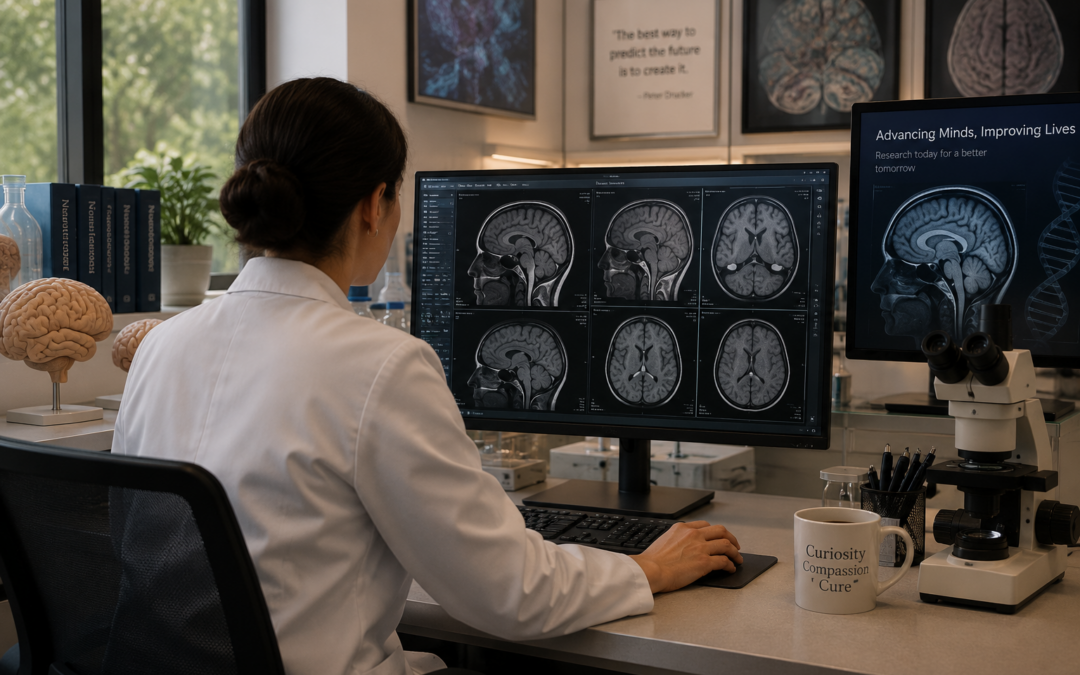
During a neuropathology exam for dementia, a specialist examines brain tissue under a microscope. The specialist looks for amyloid plaques. The specialist looks for tau tangles.
The specialist looks for other markers tied to specific disease processes. This is how to confirm a dementia diagnosis with certainty, not guesswork.
The exam can tell Alzheimer’s apart from Lewy body dementia. It can tell Alzheimer’s apart from vascular dementia. It can spot other conditions that mimic the same symptoms as the disease progresses.
How long does a brain autopsy take? The physical procedure usually takes a few hours. The full tissue review takes longer.
Tissue staining and detailed review can take several weeks. Families receive a written report once the team finishes the review. This happens through a dedicated brain-only autopsy program. The program runs on clear timelines and steady communication.
What happens during a brain autopsy matters to many families. The team treats the body with care and respect at every step.
The rest of the body stays available for burial or cremation services. Families keep their original schedule. Funeral arrangements rarely need to change.
Is Alzheimer’s Hereditary?
Once a family has a confirmed diagnosis, a harder question follows. Is Alzheimer’s hereditary, and what does that mean for surviving children?
The honest answer is nuanced. Most cases of Alzheimer’s involve a mix of genetic and lifestyle factors. They do not come from a single inherited gene.
Still, family history carries real weight, as the Alzheimer’s Association explains in an overview of Alzheimer’s genetics. Having a parent or sibling with Alzheimer’s can increase the risk of developing Alzheimer’s. Having more than one affected relative raises the risk of developing the disease even further. This is the basis for any family history of Alzheimer’s risk assessment.
Hereditary risk of Alzheimer’s for children depends on a few factors. How many relatives had Alzheimer’s? At what age did symptoms begin?
Understanding the stages of the disease in an affected parent helps genetic counselors read these family patterns. Genetic testing for Alzheimer’s risk, such as APOE testing, can spot genetic risks. These risks can raise the odds a person develops Alzheimer’s disease later in life.
Peer-reviewed dementia research backs this up. The test cannot say for certain who develops the condition and who does not.
This is where genetic counseling after Alzheimer’s diagnosis becomes valuable. A genetic counselor, often through genetic counselling programs at academic medical centers, can read test results. The counselor can explain what they mean for cognitive function and long-term planning.
The counselor can help families decide if testing makes sense at all. Confirming Alzheimer’s after death through a brain-only autopsy gives that counselor real information to work with. It replaces a clinical guess with proof.
Why Get an Autopsy for Dementia?
Why get an autopsy for dementia when the person has already passed? Dementia diagnosis confirmation after death gives families closure. It supports genetic risk assessment.
It feeds research that improves the diagnosis of dementia for future patients. Many academic centers use donated brain tissue in clinical trials. These programs often connect to reviews by the Food and Drug Administration. They often draw support from the National Institute on Aging.
Across the United States, more families choose this path. They want to settle lingering questions and plan ahead for the people who come after them.
Doctors diagnose older adults with dementia every day. Families deserve real answers, not lasting uncertainty.
Families considering this option should work with a provider who knows both legal coordination and private family requests. Logistics matter, so the team should move fast.
The team should stay in contact with hospitals and funeral homes. When needed, the team works with the coroner and medical examiner’s office, since timing affects tissue quality. You can review the complete list of autopsy services before you decide.
Guidance built specifically for families walks relatives through each step. This runs from initial consent through final report delivery. The goal is a process that feels respectful, not clinical.
Getting a Clear Answer
A brain-only autopsy removes the guesswork. It confirms or rules out Alzheimer’s. It identifies the actual disease, such as Lewy body dementia. It gives surviving relatives real information for genetic counseling and family history of Alzheimer’s risk assessment.
If your family has unanswered questions about a loved one’s diagnosis, explore the available private autopsy services. Request support through the family support team. Ask about a separate review even when a case already involves the medical examiner.
Coordinate with forensic and legal autopsy specialists. Browse the full menu of autopsy options, including a dedicated brain autopsy exam, so families never have to navigate this alone.
Confirming Alzheimer’s after death gives families the clearest answer to the question that started it all: was it really Alzheimer’s?
Frequently Asked Questions
What does a brain autopsy show that a clinical diagnosis cannot? A brain autopsy shows direct, physical proof in brain tissue. This includes amyloid plaques and tau tangles. These signs confirm or rule out Alzheimer’s disease.
Clinical diagnosis relies on symptoms, cognitive testing, and brain scans. These tools cannot see tissue changes with full certainty while a person is alive.
Can you autopsy the brain only, or does it require a full-body procedure? Yes, a brain-only autopsy is entirely possible, and pathologists examine only the brain.
The rest of the body stays untouched. It remains available for funeral or cremation services on the family’s original schedule.
How long does a brain autopsy take from beginning to final report? The physical procedure takes a few hours. The full neuropathology exam for dementia takes longer.
Tissue staining and microscopic review typically take several weeks. Then a final written report reaches the family.
Is Alzheimer’s hereditary, and should children get genetic testing? Alzheimer’s involves both genetic and lifestyle factors. Having a parent or sibling with the disease can increase the risk for children.
It does not guarantee it. A genetic counselor can help families decide if genetic testing for Alzheimer’s risk fits their situation.
Why get an autopsy for dementia after the person has already died? Dementia diagnosis confirmation after death gives families a clear answer. It supports accurate family history of Alzheimer’s risk assessment. It contributes data that helps researchers understand the condition as the disease progresses in older adults