It gives families a clear, confirmed answer that no clinical test can provide. For family members with questions about Alzheimer’s genetic risk after a parent’s diagnosis, postmortem Alzheimer’s confirmation for family delivers facts that truly matter.
Why Alzheimer’s Is Always a Probable Diagnosis
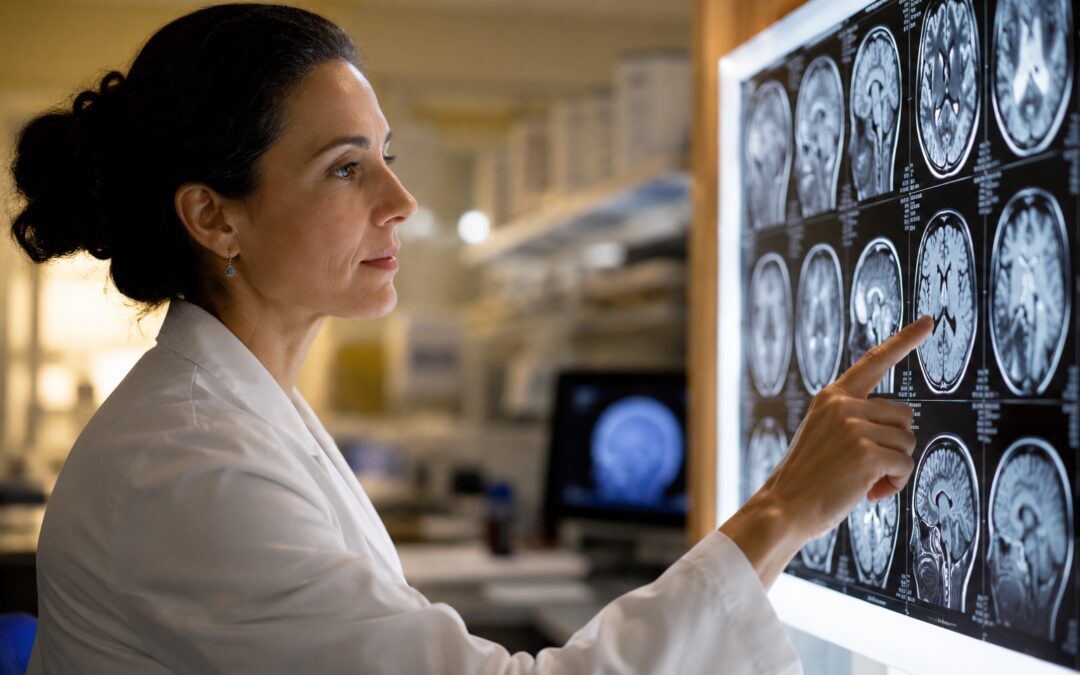
A clinical Alzheimer’s diagnosis is based on observation. Doctors assess memory loss, cognitive changes, behavior, and brain imaging results. Those tools are helpful, but they cannot see what is happening inside individual brain cells.
In the early stages, symptoms can overlap with other neurodegenerative diseases like vascular dementia and Lewy body dementia. That overlap makes a firm diagnosis nearly impossible during life. Even as the disease progresses, doctors work with educated guesses rather than confirmed facts.
The probable Alzheimer’s diagnosis meaning comes down to one thing: the brain holds the only definitive proof, and doctors cannot reach that proof while a person is alive. Amyloid plaques and tau tangles are only visible through direct examination of brain tissue. No brain imaging scan or blood test can confirm them at the time of death. A postmortem brain examination removes that uncertainty for good.
How Alzheimer’s Is Confirmed at Autopsy
A brain-only autopsy procedure focuses entirely on the brain. A specialized brain doctor, called a neuropathologist, performs the exam at the cellular level.
This is the key difference in the Alzheimer’s autopsy vs clinical diagnosis comparison. One relies on behavior and scans. The other uses direct tissue analysis after death.
What does a brain autopsy show? The key markers include:
- Amyloid plaques and tau tangles at autopsy: Protein buildups that damage and destroy brain cells, and the clearest sign of Alzheimer’s disease
- Brain cell loss: Areas of significant damage, especially in regions tied to memory
- Lewy body dementia markers: Protein deposits sometimes found alongside Alzheimer’s that can affect the final result
The brain specialist reviews all findings alongside the patient’s medical records. The result is a formal report confirming the dementia diagnosis after death. It answers the question directly: was it Alzheimer’s, or something else?
Some families also pursue brain tissue donation for Alzheimer’s research. The National Institute of Health supports programs that use postmortem tissue to study how the disease develops. The National Institute on Aging also funds research into how brain diseases progress and how genetic risk factors pass between generations.
What to Expect From a Neurological Autopsy
Many families ask about neurological autopsy what to expect before making any decisions. A brain-only autopsy procedure is limited. Only the brain is removed and examined. The rest of the body stays intact.
Does a brain autopsy affect funeral arrangements? In almost every case, no. Open-casket services, burial, and cremation can all proceed without issue.
How long after death can a brain autopsy be performed? Timing matters a great deal.
Brain cells break down quickly after the time of death. Most brain specialists recommend the procedure within 24 to 48 hours. Acting quickly gives the best chance of getting clear, usable tissue results.
The team at 1-800-Autopsy works directly with funeral homes to keep everything on track. Families can review the support options available to them before making any decisions.
Why Confirmed Findings Matter for the Whole Family
Confirming Alzheimer’s postmortem replaces uncertainty with a clear fact. It also starts an important conversation about Alzheimer’s genetic risk and family history.
Alzheimer’s disease has a genetic component. People over age 65 with a confirmed family history of the disease face an increased risk of developing it. Family members who carry that hereditary Alzheimer’s risk after a parent’s diagnosis often want to know how seriously to take it. A confirmed postmortem finding gives them something real to bring to their own doctors.
From there, family members can pursue genetic testing, ask about clinical trials, and start early monitoring before symptoms appear in the early stages. The risks of developing Alzheimer’s are higher for close relatives. The National Institute on Aging notes that having a parent or sibling with the disease raises that risk compared to those without a family history.
A formal brain autopsy report also carries legal and medical weight. For families dealing with insurance claims or wrongful death cases, a confirmed Alzheimer’s diagnosis after death carries far more authority than a probable clinical diagnosis.
Taking the Next Step
Grief is hard enough without unanswered questions. Confirming Alzheimer’s postmortem gives families the one thing they could not get during their loved one’s lifetime: a real answer.
Understanding what a brain autopsy involves, how the timing works, and how it fits alongside funeral arrangements makes the decision easier. Full details on the brain-only autopsy process and what to expect are available for families ready to learn more.
Whether the goal is closure, health planning for the family, or both, confirmed findings provide a foundation no clinical diagnosis can match. Explore the private autopsy and family support services available to you. A team is ready to help.
Frequently Asked Questions
Can Alzheimer’s be confirmed after death? Yes.
A brain-only autopsy can confirm Alzheimer’s disease by identifying amyloid plaques and tau tangles in brain tissue. A brain specialist examines the tissue directly and documents the findings. This is the only method that gives a confirmed result rather than a probable one.
How is Alzheimer’s confirmed at autopsy? A brain specialist examines tissue under a microscope. They look for amyloid plaques, tau tangles, and patterns of brain cell loss. The findings are checked against the patient’s medical records and written up in a formal post mortem report.
Why is Alzheimer’s always a probable diagnosis during life? Doctors cannot examine brain tissue while a person is alive. They rely on brain imaging, cognitive testing, and observed behavior. Those methods can strongly suggest Alzheimer’s, but a brain autopsy is the only way to confirm it.
What does a brain autopsy involve and what should families expect? The brain-only autopsy procedure examines only the brain. It takes place within 24 to 48 hours of the time of death. The body is otherwise untouched, and funeral arrangements are not disrupted.
Does confirmed postmortem Alzheimer’s affect surviving family members? Yes. A confirmed diagnosis helps family members understand their Alzheimer’s genetic risk and family history. It gives them solid information to bring to their doctors for genetic testing, clinical trials, and early monitoring.
How does Alzheimer’s differ from vascular dementia or Lewy body dementia at autopsy? Each condition leaves different markers in brain tissue. A brain specialist identifies the specific protein patterns present. This is how a dementia diagnosis confirmed after death distinguishes between brain diseases that look similar during life.