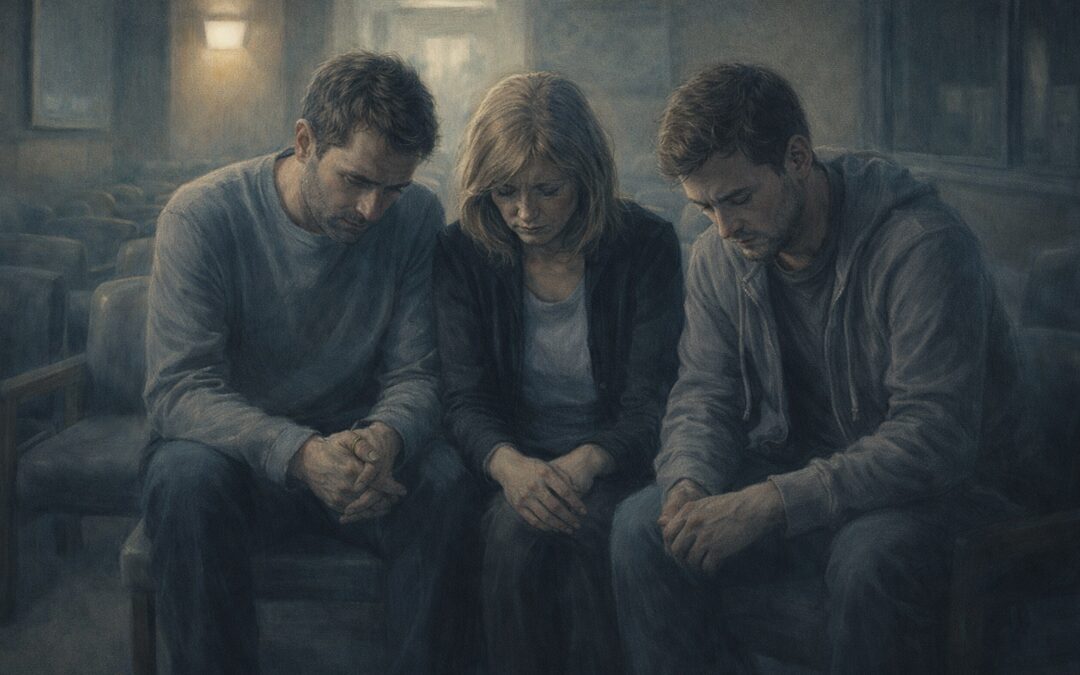
Hospital autopsy rates in the United States have dropped from 50% in the 1950s to under 5% today. That hospital autopsy decline has left many families without clear answers after a loved one dies. When death occurs without warning, families deserve to know why. Private autopsy services exist to help.
Why Are Hospital Autopsies Declining?
The decline in autopsy rates since 1950 started with a policy change. In 1971, hospitals no longer had to meet minimum autopsy rates. Once that rule was gone, the numbers fell fast.
Cost is a significant reason hospitals do not perform autopsies. Performing autopsies takes a trained forensic pathology expert, proper space, and staff time. Hospitals run on tight budgets. Postmortem examinations bring in no money.
Liability is another factor. An examination of the body can reveal missed diagnoses or errors in medical care. Some hospitals want to avoid that risk. Research from the National Institutes of Health shows autopsies still find major conditions that scans miss in many cases.
What Families Lose Without an Autopsy
When no one performs the autopsy, families are left without answers. A post mortem examination can determine the cause of death. It can also find hereditary conditions and document facts that affect future medical care.
The Centers for Disease Control and Prevention notes that poor post-death data creates gaps in national health records. This affects infant deaths, unnatural death cases, and deaths where medical history alone does not explain what happened.
Autopsy after unexpected death gives families real, documented findings. Without it, questions about manner of death can go unanswered for years.
The Difference Between a Coroner and a Private Autopsy
Knowing the difference between a coroner and a private autopsy helps families make better choices.
A coroner requests an autopsy when death occurs under unclear or suspicious conditions. Their focus is legal. Their reports are brief. Families often do not learn what autopsy finds revealed.
A private autopsy is family-driven. When a family requests an autopsy, a private forensic pathologist does a full body exam. The findings go straight to the family. The results are theirs to keep.
A second autopsy after hospital autopsy is also possible. Independent forensic autopsy services in the USA help families challenge prior findings. They also offer a fresh look from experts with no ties.
How to Request a Private Autopsy
Learning how to request a private autopsy makes the process easier. Here are the steps:
- Get authorization. Next of kin usually has the legal right to request an autopsy.
- Call a provider. Find a private forensic pathologist near me or use a national service. Act within 24 hours of death when possible. This helps preserve tissue samples and key evidence.
- Set up transport. The funeral home or hospital can move the body to the exam site.
- Read the report. A qualified pathologist will explain what the autopsy finds and answer your questions.
Families can learn more through the autopsy services page or get personal guidance on the families support page.
Private Autopsies for Malpractice and Peace of Mind
A private autopsy for medical malpractice concerns gives families written proof. If medical mistakes may have caused a death, tissue samples can help. Detailed results from an independent post-mortem exam can also help. This information can support legal action.
Unexplained death medical answers also serve a simpler need: peace of mind. Many families just want to know what happened. Autopsy services for families are built to provide that, free from any conflict of interest.
For a full list of post mortem examination options for families, visit the private autopsy services page.
Conclusion
The hospital autopsy decline has made it harder for families to get clear medical facts after a death. Autopsy rates in the United States are at record lows. But private options are still available. A family requested autopsy through independent forensic autopsy services USA puts answers back within reach.
Families can connect with experts and review all available services at 1800autopsy.com/services/ or find family-focused resources at 1800autopsy.com/families/.
Frequently Asked Questions
Q: Why are hospital autopsies declining? A: Hospitals stopped being required to perform autopsies in 1971. Cost pressure and liability concerns have kept rates low since then. Today, fewer than 5% of hospital deaths include a postmortem examination.
Q: Can a family request a private autopsy without hospital approval? A: Yes. Next of kin can authorize a private autopsy on their own. A private forensic pathologist near me or through a national provider can perform the examination outside the hospital system.
Q: What does a private autopsy cost? A: The cost of a private autopsy depends on the exam type and location. Contact a provider directly for pricing. Ask whether tissue samples and a written report are included.
Q: Is a second autopsy possible after an initial examination? A: Yes. A second autopsy after hospital autopsy is an accepted option. Independent forensic autopsy services USA can review prior findings and perform a new examination when the remains are available.