The phone call came late at night. A family learned their loved one had passed away. He worked in construction for many years.
Questions filled their minds. What caused the breathing problems? Could old floor tiles have played a role?
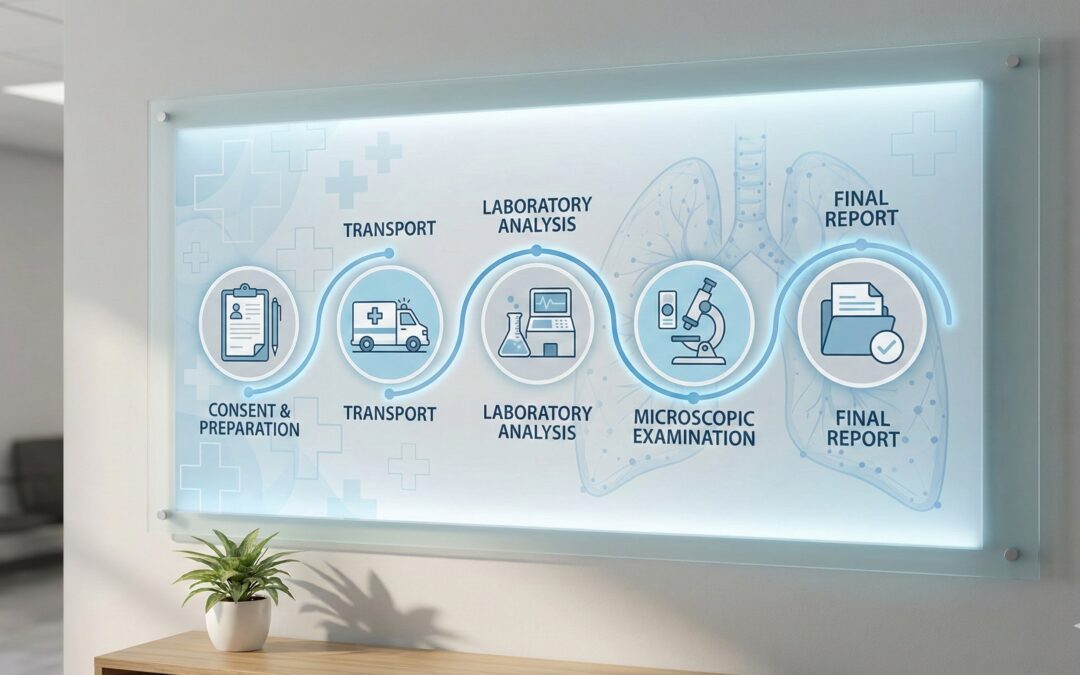
Many families in the United States face this situation. A lung exam can provide answers. The lung exam timeline helps families know what to expect. This guide explains each step from consent to the final lung pathology report.
Understanding the Medical Lung Examination
A medical lung examination studies the lungs after death. This helps families learn about respiratory diseases. Doctors do these tests when families suspect occupational lung disease. They also use them when asbestos exposure seems possible.
The exam is different from a full autopsy. Doctors only focus on the chest area. They study lung tissues closely. This method respects the deceased. It also gathers important information.
Family members choose this for many reasons. Some want to confirm chronic obstructive pulmonary disease copd.
Others need to know about interstitial lung disease. Some need documentation for court cases. Many just want closure about respiratory symptoms.
The lung autopsy process gives clear answers. It focuses only on the lungs.
The First Step: Getting Permission
The asbestos exam timeline starts with permission. Family members must sign papers. These papers explain what will happen during the exam.
Consent forms include specific details. They say which organs doctors will check. They explain how tissue samples work. They tell who gets the test results.
Most places need consent within 24 to 48 hours. Time is important. Tissues start changing right after death. Quick permission keeps tissues in good condition.
Moving the Body: Days 1–2
After getting permission, transport begins. Special vehicles move the body to the facility. This usually happens within 24 hours.
Staff prepare for the lung exam procedure. They check the identity carefully. They read medical records. They look at the body. They check the chest wall area.
Cold storage keeps tissues fresh. Most places schedule exams within three days.
This time lets doctors read the medical history. They look for signs like pleural effusion. They note any breathing difficulties or problems taking deep breaths.
Looking at the Lungs: Days 3–4
The lung autopsy steps continue with the exam. A pathologist does this work. The exam includes looking at everything carefully.
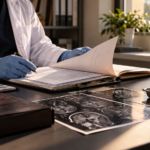
The pathologist opens the chest area. They look at the lungs and chest wall first. They check for problems or scars. They note the color and texture of lung tissues.
Photos record all findings. The pathologist removes the lungs. They weigh each one.
They measure them. They look inside for fluid or swelling. This is like what a chest x ray shows during a physical examination.
The pathologist takes tissue samples from different areas. They also check blood vessels in the lung tissue. This work takes several hours.
Looking Under a Microscope: Weeks 1–2
Next comes microscopic study. The lung histology process takes one to two weeks. This shows details too small to see normally.
Lab workers prepare tissue samples. They treat lung tissues in several ways. First, they use special liquids. This stops decay.
Then they put tissue in wax. Machines cut extremely thin slices. These slices continue on glass slides.
Dye makes cells visible. Different dyes show different things. Some show cell centers. Others show fibers or swelling.
The pathologist looks at slides under a microscope. They find unusual patterns. They identify lung damage in the lung tissue examination.
Common findings include scarring or asbestos bodies. These clues explain symptoms like abnormal breath sounds. They show respiratory diseases.
Testing for Asbestos: Weeks 2–3
Many lung exams include fiber testing. The asbestos lung testing needs special equipment. This finds asbestos fibers in lung tissues.
Places send samples to special labs. These labs use powerful microscopes.
The microscope shows different fiber types. Each type of asbestos causes different problems. Workers count each fiber type.
Results show how much asbestos built up over time. Higher numbers mean more exposure from things like floor tiles. This matters for analyzing lung fibers in court cases.
The asbestos lung report takes one to three weeks.
Early Results: Weeks 2–3
Doctors may share some findings early. Preliminary lung exam results help families wait. These provide some information before everything gets done.
A first report shows what doctors saw. It describes clear problems.
These early findings are not complete yet. More tests might show more details. Families should know these are partial answers.
Some places offer phone calls. The doctor explains early findings. They say when final test results will come.
Writing the Final Report: Weeks 3–5
The asbestos report process puts all findings together. The pathologist reads all notes. They look at lung histology process results. They check fiber data. They review medical history.
Writing the final lung pathology report takes time. The pathologist writes each finding down. They describe problems clearly. They explain the lung tissue analysis.
The report names specific diseases. It might list pulmonary fibrosis. It might say asbestosis.
It could mention emphysema. It might name chronic obstructive pulmonary disease copd. Other diseases might appear too.
Many reports have a simple summary. This explains things in everyday words. It helps family members understand better.
Another doctor checks the work. This ensures accuracy.
Getting the Final Report: Weeks 4–6
Most families get reports four to six weeks after permission. This lung pathology timeline covers all tests. Complex cases take longer.
The asbestos lung report comes different ways. Some places mail it. Others use secure websites.
Reports use medical terms. They can be hard to read. Families should ask for help understanding them.
Many places offer meetings. The doctor talks with family members. They explain things in simple terms.
Questions about lung exam results come up later too. Families process information slowly. Most doctors answer questions anytime.
What Makes It Take Longer?
The lung exam timeline changes based on factors. Busy labs take more time. Labs across the United States handle many samples.
Complex cases need more time. Unusual findings need extra tests.
Fiber testing affects timing. Some places must send samples away. Shipping adds days or weeks.
Complete medical records help speed things up. Records with chest x ray results help. Physical exam notes help. Pulmonary function testing data helps too.
Using Results for Legal and Medical Purposes
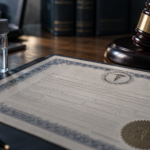
Many families need lung exams for court. Asbestos cases need proof. Worker claims need documentation.
The lung autopsy steps create legal papers. Courts accept these reports. The lung fiber analysis proves exposure occurred.
Lawyers like the detailed records. They show when exposure occurred. They link work to lung damage from floor tiles.
Others find peace through knowing. Understanding brings comfort. Questions about respiratory diseases get answers.
Some families donate tissue to research. This helps doctors learn about lung diseases. It helps public health efforts.
Frequently Asked Questions
How long does the complete lung exam timeline take?
The lung exam timeline usually takes four to six weeks. This includes permission, transport, the exam, the lung histology process, fiber tests, and the final report. Simple cases finish in three weeks. Hard cases with lots of asbestos lung testing take eight weeks.
What happens during the actual examination?
The lung exam procedure starts with opening the chest wall. The pathologist looks at lungs first. Then they remove them.
They measure and weigh each lung. They check the chest wall and blood vessels. They take tissue samples from many areas. Only lung tissues get examined.
How accurate is asbestos fiber testing?
The lung fiber analysis uses strong microscopes to analyze accurately. Labs count different fiber types. They identify all types of asbestos.
They measure total fibers in lung tissues. This proves exposure from floor tiles or insulation. The asbestos lung testing works in courts across the United States.
Can results be used in court?
The lung pathology report works in court. Courts accept these reports as evidence. The asbestos lung report proves exposure.
Worker cases use proof of respiratory diseases. Doctors can testify about findings.
How soon after death must consent be obtained?
The lung exam timeline starts right after death. Most places need permission within 24 to 48 hours.
Early consent keeps tissues good. Changes start immediately. Quick permission gives better test results.
Are there alternatives to full lung examination?
The lung autopsy steps focus on lungs only. No easier method gives the same information.
A chest x ray from before death might suggest problems. Pulmonary function testing might too. But a physical exam alone cannot give proof for court.
Will the examination affect funeral arrangements?
The lung autopsy process allows normal funerals. Exams finish within days. Bodies return to funeral homes quickly.
Modern methods barely change the chest wall area. Family members should tell funeral directors. Open casket services work after lung exam procedures.
This information is for educational purposes only. Talk to medical and legal professionals about your specific situation.