A loved one passed away after being exposed to asbestos. Now families face a hard choice. The difference between lung-only and full autopsy can change everything. It can mean justice or no justice at all.
One family learned this lesson. Their father worked in a shipyard for thirty years. He died with breathing problems.
Doctors never explained why. The family needed proof. They did not know where to start.
This decision matters. Legal teams need papers. Insurance companies want proof. Families want answers. Understanding mesothelioma autopsy procedures explained simply helps everyone move forward.
Autopsy Options for Asbestos-Related Deaths
Doctors offer two main paths. Both work when someone was exposed to asbestos.
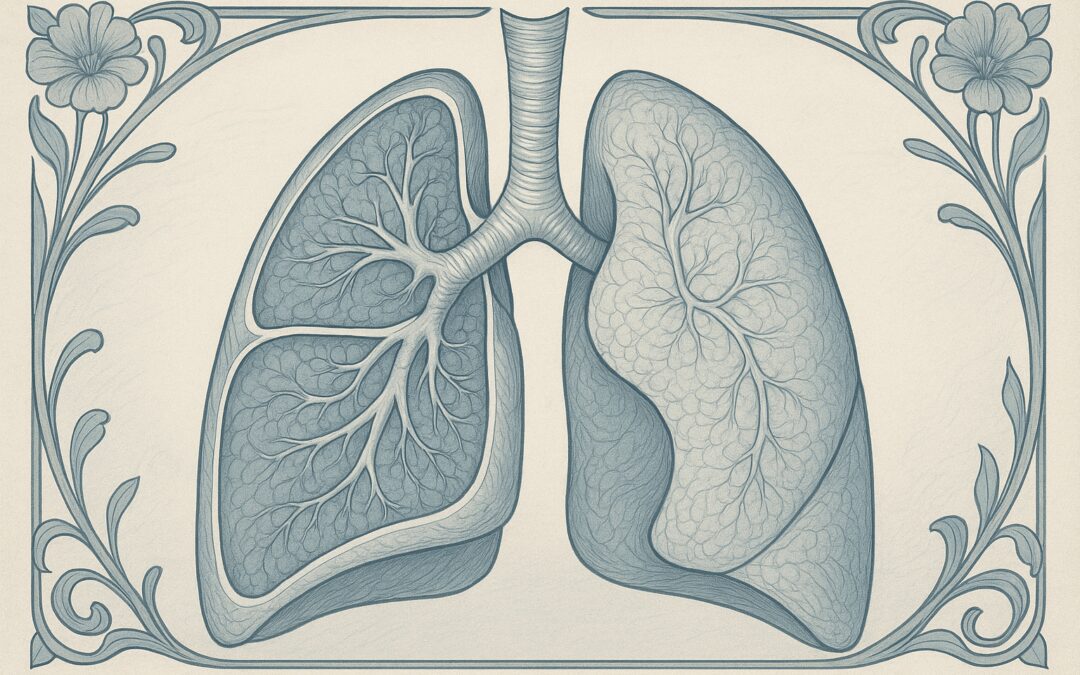
A lung autopsy for mesothelioma cases looks only at the breathing system. Doctors check the lungs, pleural lining, and chest tissues. This focused approach gives facts about asbestos-related diseases. The National Cancer Institute shares details about mesothelioma types.
A full body autopsy for asbestos exposure goes further. Doctors check all major organs.
They check body systems too. This shows how cancer spread. It finds other health problems that led to death.
Both follow strict rules. Doctors collect tissue sampling. They take photos. They save proof for later tests. The key difference is scope, not quality.
How Lung-Only Autopsies Confirm Mesothelioma
A lung-only autopsy gives strong proof. The procedure takes two to four hours. Doctors open the chest. They remove the lungs carefully.
First, doctors look at the lungs. Skilled doctors spot mesothelioma patterns right away.
Pleural thickening looks rough and stringy. It covers the lung surface. Tumors create bumpy masses. These spread across the pleural membrane.
Some patients die with pleural effusions. This means fluid builds up around the lungs. Doctors write this down during the postmortem examination.
Next comes the microscope work. Workers prepare thin tissue slices. They color them with special dyes.
These samples show asbestos fibers stuck in lung tissue. The fibers look like needles. You can see them under the lens. They prove workplace or home exposure.
Doctors count the fibers. They measure fiber levels carefully. Higher levels mean long-term exposure. This data makes legal claims stronger. It proves a direct link between work and disease.
The mesothelioma cause of death verification process needs specific papers. Doctors note where tumors are.
They write tumor size. They identify cell type. The form might be epithelioid, sarcomatoid, or biphasic.
Some cases involve peritoneal mesothelioma. This affects the belly lining, not the lungs. Each detail matters. Families need this when they seek payment.
When to Request a Full Autopsy for Mesothelioma
Some situations need more checks. A full autopsy helps when the disease path is unclear. Did symptoms affect many body systems? Then a complete exam gives full answers.
Legal cases with disputed medical records benefit from full autopsy papers. Defense lawyers sometimes argue other conditions caused death. A thorough exam stops these claims. It shows how far mesothelioma spread.
Families pursuing wrongful death claim cases often need full results. The procedure shows if mesothelioma moved to distant organs. It records other problems too.
Blood clots. Infections. This proves the complete chain from exposure to death.
Insurance fights create another need for full medical examination. Carriers sometimes deny claims. They point to prior health issues.
Full autopsy findings settle the argument. The doctor states clearly whether mesothelioma or another disease caused death.
Research gives one more reason for full autopsy. Medical schools study mesothelioma. They need complete organ checks.
Groups like the Mesothelioma Applied Research Foundation support families. They advance science on asbestos-related diseases.
Legal Benefits of Lung-Only Autopsy for Asbestos Lawsuits
Cost matters. Families face mounting bills. They deal with lost wages after their loved one’s death. The lung autopsy documentation for asbestos claims gives key proof. It costs less.
Most places charge $3,000 to $5,000 for focused checks. Full procedures cost $8,000 or more.
Speed helps too. Lawyers file claims faster. Doctor reports arrive in two weeks, not six. Quick papers prevent statute of limitations problems.
The statute of limitations sets deadlines for filing claims in the United States. Miss these deadlines and justice disappears. Speed also helps talks with asbestos trust funds.
The evidentiary value of full autopsy in mesothelioma cases is clear. But lung-only procedures often give enough proof.
Courts accept focused exam results. Doctors must clearly show disease and cause. Judges know asbestos fibers lodge in lung tissue.
Defense teams rarely challenge good autopsy findings. The physical proof speaks. Asbestos fibers appear under microscopes. This removes doubt about exposure. Tumor patterns confirm mesothelioma diagnosis.
Settlement talks move smoothly with clear proof. Trust fund managers review thousands of claims yearly.
They like short reports. These address exposure, disease growth, and cause directly. Most firms offer a free consultation to families exploring legal options.
Cost of Full Autopsy for Mesothelioma Cases
Money shapes many family choices. The cost of full autopsy for mesothelioma cases ranges widely. Expect $8,000 to $15,000.
Location matters. Large metropolitan areas with specialized forensic centers charge more. Rural facilities cost less but offer fewer services.
Extra expenses add. Photos of findings add $500 to $1,000. Tests for other exposures cost $300 to $800 per panel. Genetic testing runs $1,500 to $3,000.
Transport is another cost. Families arrange body transport to and from the facility. Local transport costs $200 to $500. Cross-state transfers exceed $2,000.
Insurance coverage varies widely. Some policies cover autopsy costs. This applies when death involves work disease. Many plans exclude postmortem examination procedures entirely.
Legal teams sometimes advance autopsy costs. They take it from future settlements. This helps families afford papers without paying now.
The Pathologist Report After Lung-Only Autopsy
Paper quality determines success. A good pathologist report after lung-only autopsy has multiple parts.
The gross examination describes what doctors see. Lung size. Weight. Color. Texture. They record pleural problems. Tumor locations. Lymph node involvement.
Microscopic findings form the core. Doctors describe cell patterns. These confirm mesothelioma diagnosis. They identify features that separate mesothelioma from other cancers. Special staining shows asbestos fibers in tissue sampling.
Fiber analyzes give numbers. Doctors count fibers per gram of lung tissue. They classify fiber types. Chrysotile. Amosite. Crocidolite. Mixed. This links disease to specific exposure sources.
The death certificate needs precise words. Good reports list mesothelioma as the immediate cause. They cite asbestos exposure as the underlying cause. This clear chain satisfies legal requirements across the United States.
Supporting papers come with the report. Tissue blocks preserved in paraffin allow future testing. Questions might arise later.
Microscope slides provide permanent records. Experts can review them.
Digital photos capture findings for court. These autopsy findings support successful legal claims.
How Families Choose Between Lung and Full Autopsy
Personal circumstances guide this hard decision. Families balance emotional needs against practical concerns.
Some relatives want to understand everything about their loved one’s death. Others prefer focused examination. This respects the body. It still provides answers.
Religious and cultural beliefs matter. Some traditions prohibit extensive postmortem examination procedures. Lung-only autopsy offers a compromise. It provides crucial proof. It minimizes intervention.
Legal case strength affects the choice. Is exposure history well-documented? Does diagnosis seem clear? Then lung-only examination usually works. Complex cases with multiple employers may need full evaluation.
Money resources play a real role. Families face hardship after losing a wage earner. Not everyone can afford extensive procedures. Lung-only autopsy delivers key proof. The cost is manageable.
Timeline pressures force quick decisions. Funeral arrangements cannot wait forever. Lung-only procedures finish faster. This allows families to proceed with burial or cremation on schedule.
Medical examination recommendations deserve thought. Doctors with asbestos case experience can help.
They assess which approach serves family interests best. Many facilities offer a free consultation. Families discuss options before they commit.
Documentation Needs for Different Legal Scenarios
Workers’ compensation claims need specific proof. State agencies want proof that employment caused disease. Lung autopsy papers establish workplace exposure. Work history records support this.
Personal injury lawsuits against equipment makers need stronger proof. These cases must prove specific products caused exposure.
Full autopsy papers help. They identify mesothelioma spread patterns. These contributed to public health hazards.
Asbestos trust funds claims benefit from simple papers. Trust managers process thousands of applications. They use standard rules. They accept lung autopsy reports that meet proof requirements.
The U.S. Department of Labor gives guidance. It covers occupational disease claims and documentation standards.
Wrongful death claim actions need complete proof. Families must show careless exposure directly caused death. Full autopsy findings remove other explanations.
Dispute Scenarios That Need Enhanced Documentation
Insurance carriers sometimes challenge mesothelioma death claims. They argue other conditions contributed to death. Full autopsy removes these defenses. It records disease extent throughout the body.
Employer liability disputes create complex needs. Companies deny knowing about asbestos hazards. Enhanced autopsy papers establish disease severity. This shows long-term exposure was needed.
Multiple defendant scenarios demand thorough papers. Cases involve several employers or product makers. These need clear exposure timelines.
Complete autopsy findings work with fiber analyzing. Together they link disease to specific sources.
Statute of limitations disputes arise years after death sometimes. Families discover asbestos exposure they did not know about before. Enhanced autopsy papers preserved in tissue blocks allow backward analyzing. This proof can revive claims that seemed too old.
Making the Decision With Medical and Legal Guidance
Talk to professionals. This prevents costly mistakes. Families should speak with medical examiners and lawyers before choosing.
Medical professionals explain what each procedure shows.
Lawyers clarify which proof their strategy needs. Most firms offer a free consultation to review options.
Coordinate timelines. This ensures smooth case development. Autopsy facilities need advance notice. Legal teams must prepare to receive findings quickly. Good planning prevents delays.
Delays weaken cases. They risk missing the statute of limitations.
Conduct a cost-benefit evaluation. This guides families facing money strain.
Lawyers can project settlement ranges. This depends on different proof levels.
Families then decide if enhanced papers justify extra expense. They consider lost wages and ongoing hardship.
Emotional readiness matters. Families struggle with grief. They may need time before authorizing any autopsy. Compassionate professionals respect these needs. They also explain time-sensitive concerns about proof preservation.
Frequently Asked Questions
What is the main difference between lung-only and full autopsy for mesothelioma cases?
A lung-only autopsy focuses only on the breathing system. This includes lungs, pleural lining, and chest tissues.
A full body autopsy checks all major organs. It records how mesothelioma spread beyond the lungs.
Lung-only procedures cost $3,000 to $5,000. They take two to four hours. Full autopsies range from $8,000 to $15,000. They require more time.
How do lung-only autopsies confirm mesothelioma diagnosis?
Doctors use several methods. Visual inspection reveals typical tumor patterns on the pleural membrane. Microscopic examination of tissue sampling identifies asbestos fibers stuck in lung tissue.
Doctors count fiber levels. This establishes exposure amounts. They classify tumor cell types too. Special staining highlights cancer cells.
This thorough examination offers clear diagnoses. It works for most legal purposes. It helps complete the death certificate accurately.
When should families request a full autopsy instead of lung-only examination?
Full autopsy becomes necessary in several situations. Cases with disputed medical records benefit from complete papers. These remove other explanations for death.
Did mesothelioma symptoms affect multiple organ systems? Then full examination reveals complete disease progression.
Insurance disputes over prior health conditions need thorough papers. Multiple defendant lawsuits may need extensive proof. This links disease to various exposure sources where patients die from asbestos-related diseases.
What legal benefits does lung-only autopsy provide in asbestos lawsuits?
Lung-only autopsy offers significant advantages. It costs much less than full examination for asbestos litigation in the United States. Reports arrive in two weeks, not six.
Lawyers file claims quickly. This happens before the statute of limitations expires.
Courts accept lung-only findings readily. Doctors must clearly record asbestos fibers and typical mesothelioma patterns.
Settlement talks progress faster. Short reports directly address exposure and disease growth.
How much does a full autopsy cost for mesothelioma cases?
Full autopsy costs range from $8,000 to $15,000. Location affects price. Large metropolitan areas charge higher rates than rural facilities.
Additional expenses increase total costs.
Photo documentation adds $500 to $1,000. Tests for other exposures cost $300 to $800 per panel.
Genetic testing runs $1,500 to $3,000. Body transport ranges from $200 locally to over $2,000 for cross-state transfer.
Legal teams sometimes advance costs. They take it from future settlements. This helps families already struggling with lost wages.
What information appears in the pathologist report after lung-only autopsy?
Complete reports include several key parts. The gross examination describes visible autopsy findings. Lung size. Weight. Color. Texture. Tumor locations.
Microscopic findings detail cell patterns. These confirm mesothelioma diagnosis.
Asbestos fiber analyzing from tissue sampling provides number data. It shows fibers per gram of tissue.
The death certificate statements list mesothelioma as immediate cause. They list asbestos exposure as underlying cause. This thorough documentation satisfies legal requirements across the United States.
How do families choose between lung-only and full autopsy options?
Multiple factors guide this decision after a loved one passed. Legal case complexity influences the choice. Money resources play a crucial role. Lung-only procedures cost less than half the price of full autopsy.
Religious and cultural beliefs affect many families. Timeline pressures matter. Lung-only procedures finish faster.
Medical examination recommendations provide valuable guidance. Families should consult both doctors and lawyers. Often this happens through a free consultation before making this decision.
What documentation do different types of legal cases require?
Documentation needs vary by case type. Workers’ compensation claims need proof of work exposure.
Personal injury lawsuits against makers require proof. This links specific products to exposure. It shows public health violations.
Asbestos trust funds accept simple lung-only papers. Wrongful death claim actions require complete causation proof.
Families should discuss proof requirements with their legal team. This happens during a free consultation before selecting autopsy scope.
Can lung-only autopsy provide sufficient evidence for successful legal claims?
Lung-only examination provides sufficient proof for most asbestos cases. Courts accept focused findings. Doctors must clearly record asbestos fibers and typical mesothelioma patterns. The physical proof of embedded fibers proves both exposure and disease.
Defense teams rarely challenge good findings. Trust fund managers process lung-only findings efficiently. Cases with clear exposure history typically succeed. This happens with lung-only proof after their loved one passed from asbestos-related diseases.
Do insurance companies cover autopsy costs for mesothelioma cases?
Insurance coverage varies between policies throughout the United States. Some life insurance policies include autopsy coverage. This applies when death involves work disease. Many plans exclude postmortem examination procedures from covered benefits.
Health insurance rarely covers autopsy. It occurs after treatment ends. Workers’ compensation insurance sometimes covers autopsy costs. This happens when employment caused death.
When insurance denies coverage, lawyers may advance costs. They take it from future settlement recovery. This helps families facing financial hardship from lost wages.