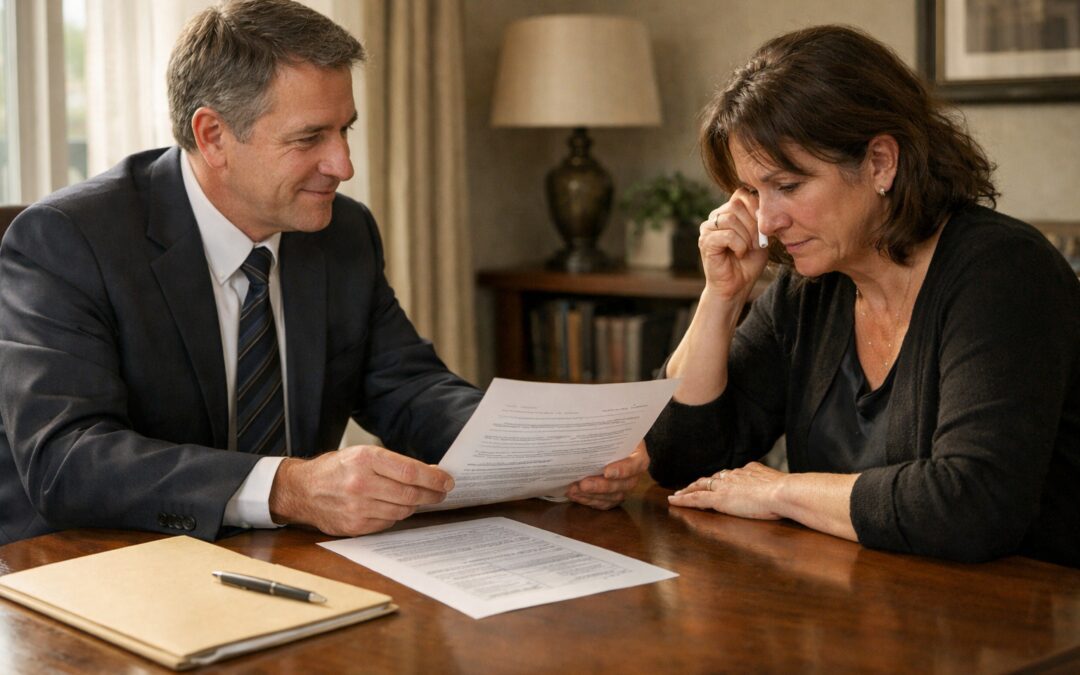
The death certificate says one thing. The family knows something else. That gap between an official report and a loved one’s medical history is exceedingly difficult.
One of the hardest things for grieving families to face is this. Knowing how to request a second opinion autopsy gives families and attorneys a clear path forward.
Cause-of-death rulings affect life insurance payouts, wrongful death claims, and a family’s ability to find closure. When those rulings are wrong or incomplete, the consequences reach far beyond paperwork.
Why Official Autopsy Reports Sometimes Get It Wrong
Medical examiner offices across the United States operate under serious resource pressure. Many handle hundreds of cases each year with limited staff and tight budgets. When caseloads are heavy, a forensic pathologist may focus on the most visible cause of death. They may not fully review the person’s medical history or underlying conditions.
This is a systemic problem. Coroner report errors happen more often than most families realize.
Toxicology panels may be incomplete. Tissue samples may go unanalyzed. The manner of death recorded may not reflect the full picture.
Coroner report errors and private autopsy requests often go hand in hand. When the medical examiner’s office is overwhelmed, a private autopsy may be the only reliable way.
It can help challenge the coroner’s findings and provide accurate answers. Learning how to challenge an official cause of death starts with understanding where the original process broke down.
You can learn more about how these offices work on the coroner and medical examiner services page.
Common causes of incomplete reports include:
- Overlooked medical conditions that contributed to the death
- Missed substances not covered by a standard toxicology panel
- Failure to fully review the decedent’s medical history
- Errors in recording the manner of death
- Too little time spent on cases ruled as natural causes
When any of these apply, you have a legal right to dispute the cause of death on the death certificate.
Who Can Request a Second Opinion Autopsy
Families often assume they have no options once officials issue a ruling. That assumption is wrong. A second opinion autopsy is a legally recognized process under most state laws across the United States.
The following parties typically have the legal standing to request one:
- Next of kin (spouse, adult children, parents, or siblings)
- Legal representatives acting on behalf of the estate
- Wrongful death lawyers or attorneys pursuing a wrongful death lawsuit
- Insurance companies when the cause of death is disputed
- A law firm handling a wrongful death claim on behalf of the family
If you are a family member and want to know your rights, family resources can help. They explain the steps to take and what to expect during the process.
A family’s ability to request a second autopsy often depends on who has custody of the remains. It also depends on the applicable state laws.
Once someone dies and you proceed with cremation, you destroy critical physical evidence. Acting quickly is essential. The funeral home coordinating the remains can often help facilitate access for an independent examination.
What a Board Certified Forensic Pathologist Can Uncover
A board-certified forensic pathologist offers fresh expertise and more time per case than an overworked public office can. Independent review is valuable in criminal cases, civil legal cases, and wrongful death lawsuits alike.
A thorough independent autopsy after an official ruling can include:
- Full toxicology screening beyond what a standard panel covers
- Microscopic tissue examination to identify disease processes
- Independent review of original findings from the medical examiner’s office
- Injury patterns and manner of death analyzed
- A complete review of medical records, imaging, and prior treatment history
This type of review is most important for occupational illnesses. Medication errors are also important to consider when suspected. It matters in cases of death where families noticed symptoms that did not match the stated cause.
When someone suspects mistakes in a coroner’s report, an independent pathologist can review the autopsy. They can mention any gaps directly.
The medicolegal autopsy services page explains how professionals document and prepare independent findings for legal cases.
Knowing when to hire an independent forensic pathologist comes down to one question. Does the official report reflect what you know about your loved one’s death? If the answer is no, independent review is the right next step.
Using Independent Findings in Court and Insurance Claims
Second autopsy evidence in a wrongful death lawsuit has a strong track record of influencing outcomes. A formal report from a qualified forensic pathologist can:
- Contradict or supplement the official cause of death
- Support a wrongful death claim by establishing a direct causal link
- Give grounds to appeal a second autopsy for insurance claim denial
- Provide expert testimony from a board certified specialist in legal cases
For a law firm handling wrongful death cases, independent pathologist autopsy findings in court serve as primary evidence. For grieving families facing insurers that denied a claim, an independent report gives objective medical data for review. Many denials rest on a single official ruling.
A second opinion autopsy in wrongful death cases can reveal key evidence. This evidence may reopen an insurance appeal or strengthen a wrongful death claim.
The private autopsy services page explains how it structures and delivers these reports.
According to the NAME Forensic Autopsy Performance Standards, quality standards vary significantly across jurisdictions. That variation is a key reason a private autopsy can challenge coroner findings in disputed legal cases.
Timing: The Statute of Limitations Issue
Every wrongful death lawsuit has a filing deadline. The second opinion autopsy statute of limitations issue is not about the autopsy itself. The legal actions depend on it.
In most states, people must file wrongful death claims within one to three years of the date of the death. Waiting too long creates two serious problems:
- Physical evidence from deceased persons degrades or is destroyed
- The window to file a wrongful death claim closes permanently
A cause of death dispute attorney will advise families to move quickly. Getting an independent examination on the record early preserves every legal option available. The American Bar Association’s overview of wrongful death law changes across the United States explains key state differences.
Filing deadlines and recoverable damages vary by state. Consulting a licensed attorney in your state is always the right first step.
How long do you have to request a second autopsy? Less time than most families expect. Start the process as soon as doubt arises.
How to Start the Process
Here is a clear sequence to follow:
- Obtain the official autopsy report from the medical examiner’s office
- Consult a cause of death dispute attorney if legal action is being considered
- Contact an independent autopsy provider about scope, timeline, and documentation
- Confirm custody of the remains or any preserved tissue samples from the original examination
- Request a full toxicology panel, especially in cases involving medications or environmental exposures
Contact a qualified team through independent autopsy services at 1-800-Autopsy.
Review family resources to learn your rights before you decide.
Conclusion
An official cause-of-death ruling carries authority. But authority and accuracy are not always the same thing. Grieving families who feel the official report does not match their loved one’s death deserve a chance to learn why.
Overturning an official cause of death with private autopsy evidence is a real legal option in most U.S. jurisdictions. Established case law supports the wrongful death autopsy second opinion process. Wrongful death lawyers use it often in civil and criminal cases.
Time is the one resource you cannot recover. Act now. Preserve the evidence. Get an independent review. Make sure the record reflects what actually happened.
Contact 1-800-Autopsy to discuss private autopsy options. Review the full list of forensic and medicolegal services for families and attorneys.
Frequently Asked Questions
Q: Can a family request a second autopsy after an official ruling?
Yes. In most U.S. states, next of kin and their legal representatives can request an independent autopsy. Acting before cremation is critical to preserving the physical evidence needed to perform an autopsy review.
Q: How is a second opinion autopsy used in a wrongful death lawsuit?
The independent pathologist produces a formal report that someone can submit as evidence. In a wrongful death lawsuit, that report can shift the direction of litigation or settlement. The pathologist can also testify as an expert witness in legal cases involving deceased persons.
Q: What does private autopsy cost?
Private autopsy cost varies based on the scope of the examination, the credentials of the pathologist, and location. Some law firms advance costs as part of a wrongful death claim when they anticipate legal action. Speaking directly with an independent provider gives the most accurate estimate for a specific situation.
Q: How do I find independent forensic autopsy services near me?
Searching for independent forensic autopsy near me is a reasonable starting point. Prioritize a board certified forensic pathologist with documented experience in medicolegal and wrongful death cases. Providers like 1-800-Autopsy operate nationally, so location is rarely a barrier.