Hospital autopsies declining over the past 50 years has left thousands of families without answers. In the 1970s, hospitals performed autopsies on nearly half of all patients who died in their care. Today, that number sits below 10 percent, according to the CAP Autopsy Topic Center. When a loved one’s death raises questions, families deserve real answers, but many hospitals no longer offer them.
Why Hospitals Have Stopped Performing Autopsies
Hospitals once had formal requirements to conduct postmortem examinations. That changed in 1971, when accreditation bodies removed autopsy rate mandates. After that, the numbers dropped fast.
Several factors explain why hospital autopsies are disappearing:
- Cost: Performing autopsies requires certified forensic pathologists, lab resources, and staff time
- Liability: Hospitals worry that a post mortem examination could surface evidence of medical errors
- Staffing: Fewer physicians are training in forensic pathology today
The result is a system where the manner and cause of death on a death certificate are not always verified properly. A coroner or medical examiner may only get involved when the law requires it. In other cases, the medical examiner’s office is never contacted at all.
When Families Start Asking Questions
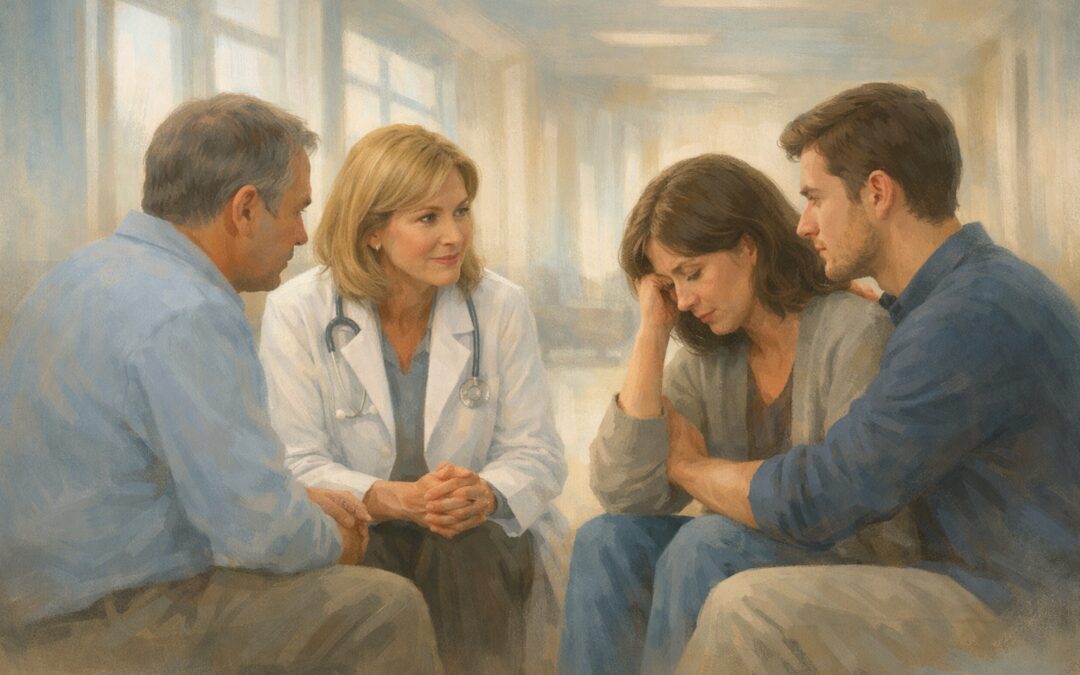
Most families do not start looking for a private autopsy out of suspicion. They start because something feels wrong. The person died after a routine procedure, or underlying medical conditions were never properly explained. The explanation from the hospital does not match what they witnessed.
Medical care that once seemed adequate suddenly looks questionable. A loved one’s death should never leave a family with more questions than answers.
Common reasons families request a private autopsy include:
- Unexpected death following surgery or hospitalization
- Suspicion of medical errors or delayed treatment
- A prior diagnosis that did not seem to explain the death
- The need to document findings for an insurance claim or legal case
Families who lose someone suddenly often say an independent autopsy after a hospital death helped them move on. Sometimes a second opinion autopsy confirms the hospital’s findings. That confirmation alone can bring peace of mind.
Your Legal Rights to an Autopsy
Families in the United States have legal rights to an autopsy that hospitals rarely explain. If a hospital refuses an autopsy, that refusal does not end your options. You can hire an independent provider and have the autopsy performed outside the hospital entirely.
Who can order a private autopsy? The legal next of kin holds that authority. This includes a surviving spouse, adult children, or parents of the deceased. Knowing how to request a private autopsy gives families real power during an extremely hard time.
It also helps to understand the steps to request an autopsy on your own.
Knowing what to do if a hospital refuses an autopsy is important.
How a Private Autopsy Works
The process of how a private autopsy works is straightforward. Private autopsy services connect families with board-certified forensic pathologists.
These doctors specialize in forensic pathology. They perform a full, independent post-mortem exam. Here is what to expect with autopsies from a private provider:
- Contact a provider: Describe the circumstances of the death and your goals
- Arrange transport: The provider coordinates with funeral homes to transfer the deceased
- Examination of the body: A board-certified forensic pathologist will perform the autopsy following standard forensic autopsy protocols. When the autopsy is performed, it includes a full examination of the body, tissue sampling, and toxicology testing
- Receive final reports: The pathologist delivers a written report directly to the family
What happens during a private autopsy mirrors the same steps a medical examiner’s office would follow. The difference is that the findings go directly to you. The full range of autopsy services available through an independent provider covers everything from consultation to final report delivery.
According to the National Institutes of Health, autopsies still find diagnostic errors in many cases. That is why forensic autopsies remain a vital tool for families and legal teams.
Hospital Autopsy vs. Private Autopsy
In a hospital autopsy vs. private autopsy comparison, the key difference is independence. A hospital pathologist answers to the institution. An independent forensic pathologist autopsy answers to you.
Private autopsy for medical malpractice investigation cases is especially valuable. Final reports from board-certified forensic pathologists carry weight in court. The CAP Autopsy Topic Center outlines the standards these professionals must meet, giving families confidence in the results.
The cost of a private autopsy typically ranges from $3,000 to $5,000. In wrongful death cases, those costs are sometimes recovered through legal settlements. Autopsy services near me searches can help families find how to find a private autopsy provider in their area. Many providers, including 1-800-Autopsy, serve families nationwide and coordinate transport regardless of location.
Conclusion
The trend of hospital autopsies declining has created a serious gap in post mortem examination standards. But families are not without options.
You have legal rights. You can hire an independent provider. You can get answers.
If your loved one’s death feels unresolved, help for families is available. One phone call can clarify your next step. You do not have to accept uncertainty.
Frequently Asked Questions
Q: Why do hospitals no longer perform autopsies? A: Hospitals stopped performing autopsies regularly after 1971, when autopsy rate requirements were removed from accreditation standards. Cost, liability concerns, and a shortage of certified forensic pathologists have kept the numbers low ever since.
Q: Who can order a private autopsy? A: The legal next of kin can order a private autopsy. This typically includes a spouse, adult child, or parent of the person who died. No hospital permission is required.
Q: Can a private autopsy support a medical malpractice case? A: Yes. Final reports from a board-certified forensic pathologist are accepted medical evidence. They can be used in malpractice or wrongful death claims. Share the report with your attorney as early as possible.
Q: How do I find a private autopsy provider? A: Visit 1800autopsy.com/services to learn about available options. Look for providers staffed by board-certified forensic pathologists who serve families nationwide and handle all funeral home coordination.