
When a loved one passes away from a brain condition, families often want answers. A private brain autopsy can provide the clarity you need. This family guide to brain autopsy explains the complete process from starting to finishing.
What Is A Brain Autopsy?
A brain autopsy is a postmortem examination that looks only at the brain and nervous system. Brain only autopsies are different from full body exams. A specialist called a neuropathologist examines the brain tissue to find diseases like Alzheimer’s, Parkinson’s, or traumatic brain injury.
Many families choose private neuropathology autopsy services when hospitals cannot help. Private facilities often give better answers and clearer updates throughout the process.
Why Families Choose Brain Autopsy For Medical Answers
Families seek diagnostic brain autopsy review for several reasons. First, they want to know what caused their loved one’s symptoms. A clear diagnosis brings closure and helps you understand what happened.
Second, autopsy findings can show genetic conditions that might affect other family members. This lets relatives make smart choices about their health.
Third, some families want to help medical researchers by donating tissue samples. Brain bank programs use these donations to study diseases and create better treatments.
Step 1: Brain Autopsy Consent Process
The brain autopsy consent process starts when someone with legal authority gives written permission. This is usually the next of kin, like a spouse or adult child.
Before you sign, you should know what happens. The doctor removes the brain carefully. The funeral home can still hold open-casket services because the procedure is not visible. You can move forward with funeral plans without delay.
The consent form explains how tissue will be used. You can set limits and ask for any remaining tissue samples to be returned.
When choosing where to get brain autopsy services, ask about the facility’s experience. If you search for a private brain autopsy near me, look for accredited providers who answer all your questions clearly.
Step 2: Timing And Transportation
After consent, the next step is moving your loved one to the facility. Timing matters because brain tissue breaks down after death.
A brain autopsy after death should happen within 24 hours when possible. If the body has been kept cold, the exam can still work well several days later. Private facilities have more flexible schedules than hospitals.
The autopsy provider works with your funeral home to arrange transport. Some services operate nationwide and can work with local facilities.
Step 3: How A Brain Autopsy Works
Understanding how a brain autopsy works helps families feel more comfortable. Forensic pathologists or neuropathologists perform the autopsy in a clean lab using medical tools.
The doctor carefully removes the brain and checks it for problems. They measure and weigh it, then divide it into sections for detailed examination.
Tissue samples from different brain areas are preserved for microscope viewing. The doctor cuts extremely thin slices and uses special dyes to show different cell patterns.
Under the microscope, they look for disease signs. They may use extra tests to find specific proteins linked to conditions like Alzheimer’s or CTE.
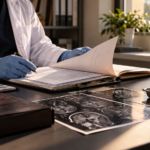
The specialist writes everything they find and takes photos. This becomes part of your final autopsy report.
Step 4: Laboratory Testing
After the first exam, private brain autopsy steps include detailed lab work. This testing happens at multiple levels to ensure the diagnosis is correct.
Standard checks include looking for tumors, infections, strokes, or trauma. The specialist examines many brain regions because different diseases affect different areas.
For brain diseases, the doctor looks for specific protein deposits. Finding these markers takes expertise and special techniques.
If genetic testing might help your family, tissue can go to DNA labs. This adds to the private brain autopsy cost but gives crucial information about inherited conditions.
How Long Brain Autopsy Takes
Families often ask about timing. The complete private brain autopsy process usually takes 8 to 12 weeks from procedure to final report.
The first exam and tissue prep need 2 to 3 weeks. Brain tissue must soak in chemicals before it can be cut and studied properly.
Microscope work and special tests add 3 to 4 weeks. The doctor must check multiple tissue sections carefully.
Writing the report and peer review take another 2 to 4 weeks. The brain autopsy final report timeline gives families their answers within 2 to 3 months.
In urgent legal cases, some facilities give preliminary results faster. But the full diagnostic brain autopsy review always needs proper time.
Understanding The Final Report
The final autopsy report includes several parts. The medical history section summarizes the symptoms and health information you provided. The detailed examination describes what the doctor saw when first looking at the brain.
The microscope findings explain what appeared under the lens in each brain area. The final diagnosis gives the expert’s opinion about what conditions were present.
Many reports explain how the disease connected to the symptoms your loved one had. Good providers let you talk with the neuropathologist about the report by phone or in person.
Private Brain Autopsy Cost
The private brain autopsy cost varies based on location and testing needs. Families should expect to pay between $3,000 and $6,000 for a complete exam.
Basic checks fall in the lower price range. Advanced testing for specific proteins or genes may add $1,000 to $3,000.
Most insurance does not cover post mortem examinations, but some policies might pay part of the cost if medically necessary.
Choosing A Provider
Finding the right facility for performing an autopsy requires research. Check that the facility is accredited and their doctors are board-certified.
Ask about experience with your suspected condition. Some doctors specialize in certain diseases and can give more accurate diagnoses.
National services like postmortem neurological diagnosis specialists offer consistent quality no matter where you live.
Types Of Autopsies And What They Show
Different types of autopsies serve different purposes. A brain-focused exam cannot determine manner of death or exact time of death. Those assessments come from the physician who pronounced death or from forensic pathologists in legal cases.
The neuropathological exam focuses on finding disease and understanding what caused symptoms. Medical records help pathologists understand your loved one’s health history and connect symptoms to findings.
What Happens After Examination
After the exam, you have options for tissue disposition. Some families want all tissue returned for burial. Others donate to research programs or brain banks. Research tissue helps advance science and may lead to future treatments.
Frequently Asked Questions
How much does a private brain autopsy cost? Costs range from $3,000 to $6,000 depending on testing needed. Insurance rarely covers private autopsies, but you can request itemized bills for potential reimbursement.
How long does a brain autopsy take? The complete process takes 8 to 12 weeks from procedure to final report. Some facilities provide updates during this time.
Will it interfere with funeral plans? No. The procedure does not prevent viewings or delay services. Most funeral homes work smoothly with autopsy providers.
Who can give consent? The legal next of kin provides consent, usually a spouse or adult child. All parties with equal authority should agree.
What conditions can it diagnose? Brain autopsies identify Alzheimer’s, Parkinson’s, dementia types, CTE, MS, tumors, infections, and stroke damage.
Can we get updates during the process? Some facilities send progress reports. Ask about communication when choosing a provider.
What happens to medical records? Your loved one’s medical records help the pathologist understand symptoms and make accurate diagnoses. These records are kept confidential.
Are there religious concerns? Religious views vary. Many faiths allow autopsies for medical purposes. Consult your religious leader if concerned.
Can family members see the report? Yes. The report goes to whoever gave consent, and they can share it with others.
What if findings are unexpected? Unexpected findings are included in the report. You can discuss surprising results with the examining doctor.
Conclusion
The private brain autopsy process gives families clear medical answers during difficult times. Understanding each step, from consent through lab work to receiving your report, helps you make informed choices.
Whether you need closure, worry about genetic risk, or want to help research, brain-only autopsy services provide valuable information. The knowledge you gain helps your family and contributes to medical understanding of brain diseases.