When someone dies and the cause is not immediately clear, families and attorneys need answers. Postmortem toxicology testing is the tool they turn to most often.
This testing looks for drugs, alcohol, and other substances in the body at the time of death. It can turn a vague cause of death into a clear explanation of what actually happened. Forensic toxicology after unexplained death often decides whether a family gets real answers or keeps guessing.
Many people assume an autopsy automatically includes a full toxicology screen. That is not always true. Important evidence can slip through the gap between assumption and reality.
This is one reason grieving families benefit from getting help early. A firm’s guidance for families navigating a death investigation can make that process easier to manage.
What Toxicology Testing Screens For
Postmortem toxicology testing measures the presence and concentration of substances in a person’s body after death. A forensic pathologist orders these tests as part of a broader death investigation, often alongside the autopsy report itself. To understand what toxicology testing screens for, start here: postmortem drug testing covers far more than street drugs.
A standard toxicology screen typically checks for:
- Illicit drugs and drugs of abuse
- Prescription drugs, including those not listed in the person’s known medical history
- Alcohol levels in blood and other tissue samples
- Over-the-counter medications that can be dangerous in combination with other substances
Laboratories use a mix of testing methods to build an accurate picture of what was in the body. They start with fast screening tests, then move to more detailed follow-up testing to confirm the results.
The goal is simple: did any substance, or combination of substances, contribute to the manner of death? A toxicology screen for drug interactions can also catch problems that a standard autopsy report alone would miss. This is why so many death investigations lean heavily on these results.
Why Medical Examiner Offices Are Overburdened
The United States is facing a well-documented forensic pathologist shortage. Organizations like the National Association of Medical Examiners have raised concerns about this gap. Too few forensic pathologists are practicing to keep up with caseloads nationwide.
Why medical examiner offices are overburdened comes down to simple math. There are far fewer forensic pathologists than the country’s death investigations require. That shortage puts enormous strain on every medical examiner’s office trying to keep up.
An overburdened medical examiner’s office sometimes skips, narrows, or delays full toxicology panels. A medical examiner cause of death before toxicology complete happens more often than families expect.
This is most common in cases involving a death that looks straightforward on the surface. Delayed toxicology results cause of death rulings to sit unresolved for weeks or months at a time. This is one of the most common and least understood problems families face after a loved one’s death.
An independent toxicology review through a firm’s medicolegal death investigation services can fill that gap. A family or legal team that requests independent testing is not second-guessing the medical examiner without reason. They are making sure the system did not miss anything. Sometimes the system simply lacks the time or resources in forensic science to look closely enough.
What Specimens Are Collected for Toxicology Testing
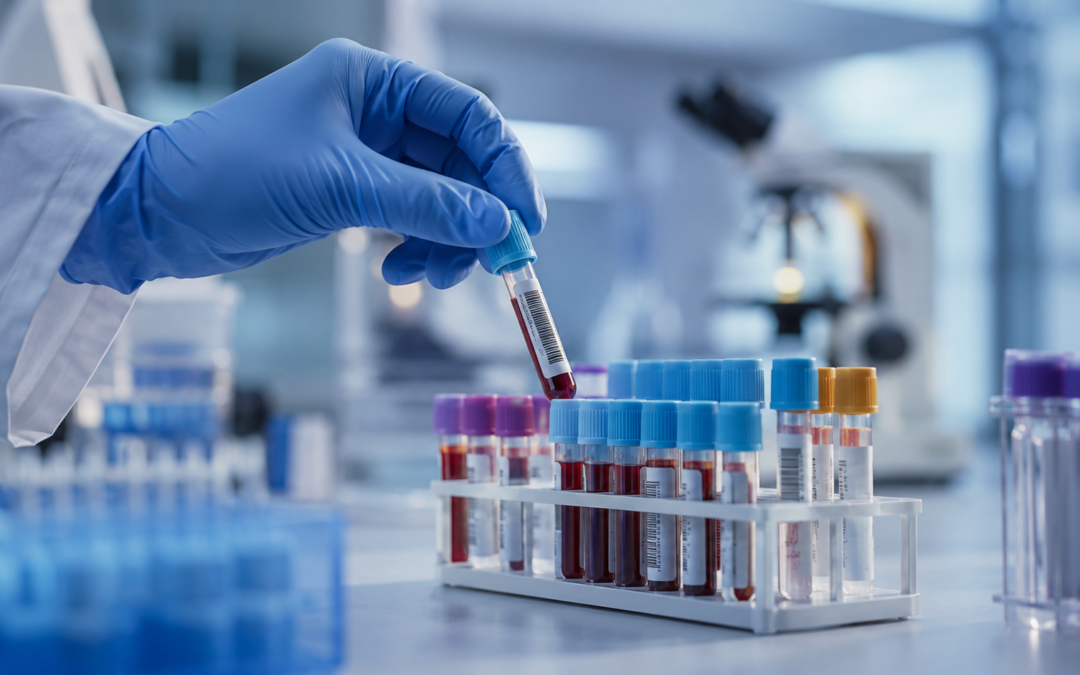
Toxicology analysis depends on the quality and variety of specimens the team collects during the autopsy. Careful sample collection across different tissue types gives a more complete picture. Each type feeds different toxicology screens and reveals something different.
- Blood sample: Shows what was in the body at or near the time of death. Investigators often rely on it as the most direct evidence in an overdose determination autopsy.
- Tissue samples (liver, kidney, brain): Useful when there is no blood sample available. Also useful when a substance has already broken down. Tissue samples can confirm long-term exposure to a substance.
- Vitreous fluid (from the eye): This fluid resists breaking down after death. It stays useful when investigators do not find the body right away.
- Hair and nail samples: Can reveal a longer history of drugs of abuse, sometimes going back months.
Time-Sensitive Specimen Collection During Autopsy
Time sensitive specimen collection autopsy procedures matter for a simple reason: the body begins to change after death. Certain substances degrade or move within hours or days, a challenge that clinical toxicology researchers have documented extensively. Waiting too long to collect or test specimens can mean losing evidence for good.
Families who suspect the medical examiner did not run a full toxicology screen should act quickly. Reach out to a firm’s forensic and legal support services as soon as possible.
How Toxicology Testing Supports Wrongful Death Cases
How toxicology testing supports wrongful death cases comes down to one thing. It turns suspicion into documented, lab-verified proof.
For attorneys building a case, wrongful death toxicology evidence is often the strongest piece of physical evidence available. Results can confirm or rule out an overdose.
They can also surface an undisclosed medication history death investigation detail. Or they can reveal a dangerous drug interaction that a treating provider should have caught. Any of these findings can shift the direction of a case significantly.
Insurance claims depend just as heavily on accurate testing results. An insurance claim toxicology report can decide how a life insurance policy pays out.
The payout can be full, partial, or denied entirely. Payout terms often depend on how investigators rule the death: accidental, related to substance use, or something else entirely. When testing results are incomplete, families can end up fighting a claim denial based on assumptions rather than facts.
This is where an independent review adds real value. A family can use a firm’s family support resources to get a second, more thorough look at the evidence. This helps before finalizing decisions about a case or a claim.
Conclusion
Postmortem toxicology testing can answer questions that an autopsy alone cannot. But this only works when the lab does the testing thoroughly and on time.
An overburdened medical examiner’s office works under the strain of a national forensic pathologist shortage. It does not always have the capacity to run a complete panel before issuing a cause of death.
For families and attorneys facing an unexplained death, an independent toxicology review can close that gap. It can provide the clarity a case truly needs. Reach out to explore independent forensic testing options and get a clearer picture of what happened.
Frequently Asked Questions
Q: What does toxicology testing show after death?
A: It shows which drugs, alcohol, or other substances were in the body at the time of death, along with their concentration levels. This can confirm or rule out an overdose, a drug interaction, or the influence of an undisclosed medication.
Q: How long does postmortem toxicology take?
A: Standard testing results often take several weeks. The timeline varies by lab and by how many substances the lab screens. Independent labs can sometimes move faster than a backlogged medical examiner’s office.
Q: Can toxicology results be wrong?
A: Results can be incomplete rather than outright wrong.
This often happens when the lab runs only a limited panel or the team does not collect specimens quickly enough. This is one reason an independent review matters so much in disputed cases. A firm’s medicolegal review process can provide that second look.
Q: Why would a medical examiner list a cause of death before toxicology is complete?
A: In cases with heavy caseloads, the medical examiner may move quickly. They may issue a preliminary cause of death based on the physical autopsy findings alone.
The office adds toxicology results later, or sometimes does not pursue them further. This practice has become more common as the forensic pathologist shortage continues to strain offices nationwide.
Q: What specimens are collected for toxicology testing?
A: Blood, tissue from organs like the liver and kidney, vitreous fluid from the eye, and sometimes hair or nail samples. Each specimen type can reveal different information, from recent substance use to a longer-term pattern.