The spouse saw changes over time. People forgot the appointments. Mood swings happened often. The person seemed different.
Doctors ran many tests. Nothing showed the cause. After death, the family wanted answers.
A postmortem brain exam memory loss study gives those answers. When memory loss starts suddenly, families need clarity. A brain autopsy cognitive decline exam shows what scans miss. Brain tissue tells stories that other tests cannot.
Brain Exams After Death
A brain examination after death dementia study looks at brain tissue closely. Doctors remove the brain with care. They keep it safe for study.
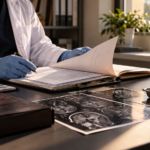
Special stains show abnormal proteins. Damaged cells appear clearly under microscopes.
The work takes several weeks. Families get detailed reports. These explain all findings in simple terms. Expert doctors find disease patterns that caused symptoms.
How Brain Studies Reveal Causes
Brain pathology behavior changes appear under microscopes. Protein deposits are visible. Dead brain cells appear clearly. Damaged blood vessels stand out. These features explain puzzling symptoms.
Unexplained memory loss after death studies often astonish families. Some learn about multiple medical conditions at once. Others find rare diseases. Brain tissue keeps evidence that fades in living patients.
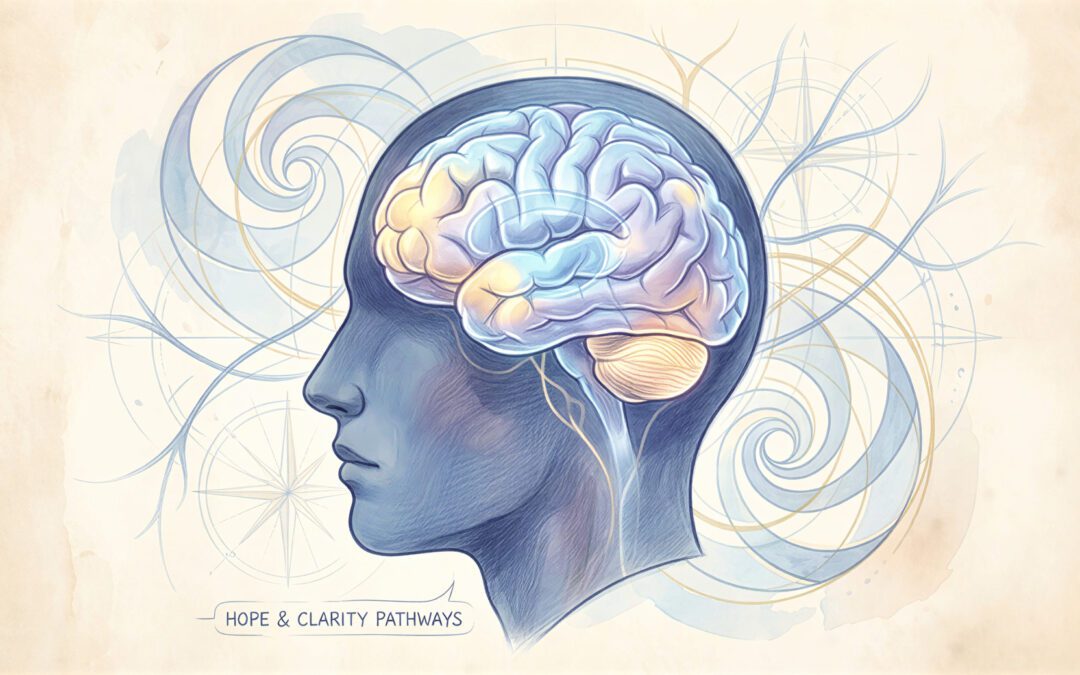
Doctors look at specific parts of the brain. The hippocampus controls memory. The frontal lobe manages personality.
Other areas of the brain process emotions. Damage in different spots causes different symptoms.
Common Diseases Found
Several diseases appear in postmortem brain assessment dementia cases. Alzheimer’s disease shows plaques clearly. It also has neurofibrillary tangle formations.
Vascular dementia shows small strokes. Lewy body dementia has abnormal protein deposits. Each type looks different.
Neurological causes of behavior changes include many options. Trauma creates clear patterns. Autoimmune conditions attack tissue directly.
Even multiple sclerosis leaves lasting scars. A brain tumor might explain sudden thinking changes. Understanding causes of personality changes dementia helps families see disease patterns early.
One family had a loved one who changed at age 62. The person became angry and fearful. Nothing helped the symptoms.
After death, a brain-only autopsy showed frontotemporal dementia. The family finally understood what happened.
When Sudden Changes Need Answers
What causes sudden personality changes in older adults? This question troubles many families. A happy person becomes sad. A calm person develops worry. These shifts need study.
Brain autopsy for cognitive symptoms gives clear answers. Families learn if prevention was possible. They determine if other family members face risk. They understand how the disease moved forward.
Mood Changes and Disease Links
Mood changes linked to brain disease often go unnoticed. Sadness can signal brain problems. A brain exam shows the real damage. Families see solid proof.
Brain areas control emotions differently. Damage causes emotional ups and downs. Fear centers affect worry levels. Control centers manage choices. Breakdown leads to poor decisions.
Unknown Causes of Decline
Cognitive decline unexplained causes frustrate doctors and families. Standard cognitive test results look normal. Brain scans appear fine. Yet the person clearly struggles. Tissue study finds answers.
Tiny changes escape imaging technology. Early deposits are too small to see. Light inflammation goes unnoticed. The exam after death captures these details.
One woman had memory problems at age 58. Doctors thought it was Alzheimer’s. Her MRI looked normal.
After death, a postmortem brain examination found a genetic condition. Her children took the test. Early watching became possible.
Brain Signs of Dementia
Brain pathology signs of dementia vary by disease. Alzheimer’s shows specific plaques. Tau proteins form tangles. Both grow in clear patterns. Severity matches symptom strength.
Vascular dementia looks different. Small vessel disease harms white matter. Tiny strokes appear throughout. Blood vessel walls get thick.
Different types of dementia show unique patterns. Each leaves special evidence. Doctors identify these with certainty.
Finding Services Nearby
Families looking for a postmortem brain exam near me should research well. Brain disease experts give thorough study. They have special training in neurodegenerative diseases.
Key questions include several points. Does a brain expert do the exam? How detailed is the report? Which staining methods do researchers use? How long does it take?
The process keeps the body ready for viewing. It leaves no visible signs. Families proceed with memorial plans. This option gives answers without changing other wishes.
How Brain Exams Explain Memory Loss
How brain exams explain memory loss goes beyond single cases. The hippocampus shows specific damage patterns. Memory problems connect to visible tissue changes. This explains symptoms doctors could not identify during life.
The exam also shows risk factor information. Genetic findings guide screening for relatives.
Children learn their chances of getting sick. Early detection catches problems in the early stage. Prevention becomes possible for family members.
Benefits for Family Members
Results help family members understand their own health. They learn about passed-down conditions. They share findings with doctors. This guides watching plans.
Some donate remaining tissue to research. These samples help medical understanding grow. Scientists study patterns in neurodegenerative diseases. New findings emerge from this work.
Making the Decision
Choosing to proceed takes thought. Families think about unanswered questions. They consider how information helps healing.
Timing matters a lot. The exam should happen within 48 hours. Tissue quality drops with time. Working with funeral homes needs planning.
Frequently Asked Questions
What happens during a postmortem brain examination?
A doctor removes the brain through a small cut. The brain undergoes preservation and study.
Microscopic work finds disease patterns. The process takes several weeks. Families receive written reports that explain everything found.
Will a brain exam delay funeral arrangements?
The process needs 24 to 48 hours. Most funeral homes work with this easily. The exam leaves no visible changes. Families proceed with viewings as planned. Services happen on schedule.
How accurate are brain autopsy results?
Tissue study gives final diagnoses. It remains the best standard. Accuracy exceeds any test during life. Findings are final and lasting.
Does insurance cover the cost?
Typically, they do not cover private exams. Families pay directly. Costs vary by provider. Many consider it worthwhile. The answers last forever.
Can other family members benefit from results?
Yes, findings often show passed-down issues. Children learn genetic risks. Siblings understand their chances. Doctors use information to guide screening plans.
Which diseases can we identify?
Common findings include Alzheimer’s disease, vascular dementia, and lewy body dementia. Rare conditions also appear. Brain tumors and infection effects are visible. Multiple conditions often exist together.
How long does it take to receive results?
Complete results arrive within four to six weeks. The brain needs two weeks of preservation. Microscopic preparation takes time. Doctors write detailed reports that explain all findings clearly.
What questions should families ask providers?
Ask about doctor credentials and training. Ask about report detail and testing methods. Discuss timing and costs. Request sample reports if possible. Understand what the exam includes and skips.
Can the exam determine if the condition was hereditary?
Yes, tissue study shows genetic markers. Special testing finds passed-down conditions. Reports include inheritance patterns.
Families learn if experts recommend testing of relatives. This knowledge guides family health planning.
Additional Resources
For information about brain health, the Alzheimer’s Association provides research updates. The National Institute on Aging offers detailed fact sheets and family guidance. The American Brain Foundation supports disease awareness and education.
For genetic counseling, the National Society of Genetic Counselors maintains a searchable directory. These professionals interpret hereditary findings. They guide testing decisions. They support families facing genetic risks.
Understanding what happened brings peace. A detailed exam provides answers that other tests cannot offer. Families gain closure and practical information. The decision honors both the person lost and those who remain.