When a loved one passes away unexpectedly, families face hard questions. What caused the memory loss?
Could a stroke have gone undetected? Did a head injury play a role? Understanding the difference between brain only autopsy and virtual autopsy helps families make informed choices during an overwhelming time.
What Is a Brain-Only Autopsy?
A brain-only autopsy focuses on examining the brain after death. This procedure limits the exam to one part of the body. A pathologist carefully removes the brain. Then they review it to find disease, injury, or problems that imaging might miss.
This exam helps families get answers about brain conditions. The pathologist slices thin tissue sample sections and stains them with special dyes.
Then they look at them under a microscope. This shows plaques, tangles, inflammation, bleeding, and tumors. These changes explain symptoms the person had before death.
Many families wonder when to request a brain only autopsy. If someone showed confusion or personality changes before passing, a brain autopsy for neurological disease diagnosis can confirm conditions. These include Alzheimer’s disease or Parkinson’s disease.
The benefits of brain only autopsy for suspected stroke include finding hemorrhages and clots. It also shows blood vessels problems that led to death.
Understanding Virtual Autopsy Technology
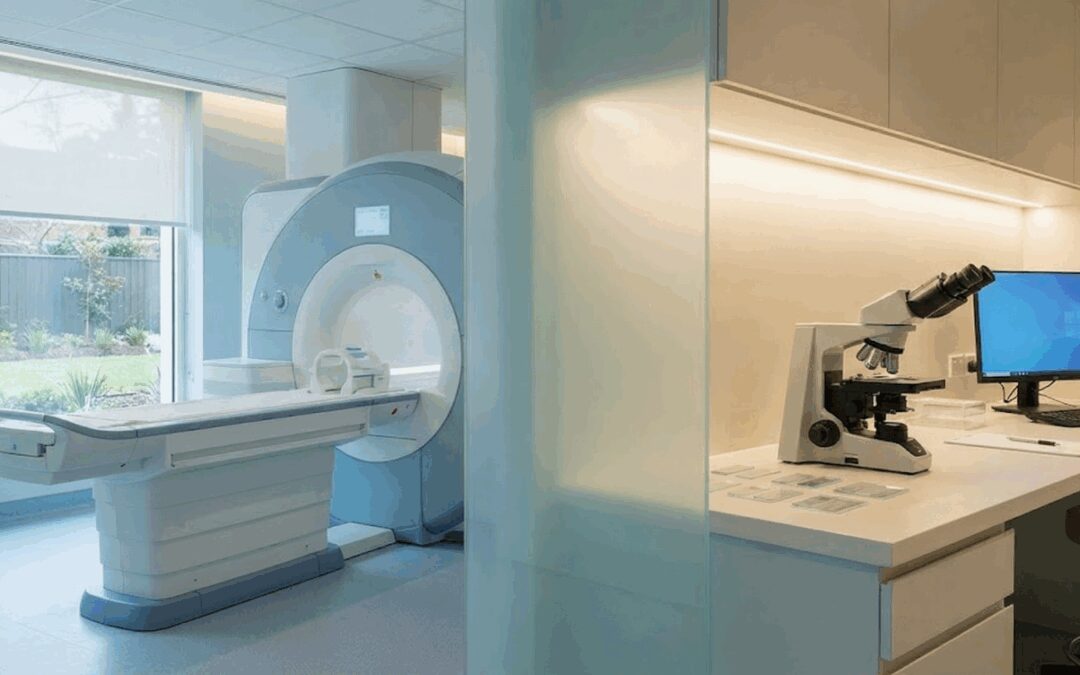
A virtual autopsy uses imaging to examine the body without making cuts. The two common methods are CT scans and magnetic resonance imaging mri.
Doctors review these images to find fractures and organ damage. They also look for bleeding. The process takes less time than a conventional autopsy. It leaves the body intact for viewing and burial.
However, virtual autopsy limitations for brain conditions are real. CT and MRI technology shows structural problems well. These include skull fractures or large bleeds. But these scans cannot detect tiny changes that define most brain diseases.
A CT scan shows bone and acute bleeding well. But it cannot show the protein deposits of Alzheimer’s disease.
The virtual autopsy vs mri comparison shows an important point. MRI gives better soft tissue contrast than CT. The mri images show detailed anatomy clearly. But even the best MRI cannot match what a pathologist sees under a microscope.
A postmortem brain looked at closely shows inflammation and early breakdown. It also shows subtle injury patterns that stay invisible on any imaging study.
Accuracy and Diagnostic Capabilities
Families often ask how accurate is a brain only autopsy compared to imaging. A physical exam of brain tissue remains the gold standard. It works best for finding neurodegenerative disease and infectious brain conditions. It also finds subtle traumatic injuries.
When forensic pathologists examine tissue sample sections, they can spot protein buildups and inflammatory cells. They also find patterns of cell death that explain thinking problems.
Think about an elderly person who had memory problems for several years before death. Family members want confirmation of Alzheimer’s disease for genetic counseling and peace of mind. A virtual autopsy might show some brain shrinkage.
But this happens in normal aging too. Only a brain-only autopsy can confirm Alzheimer’s disease. It does this by showing the plaques and tangles in certain brain regions.
The brain autopsy vs ct scan for cause of death comparison matters when trauma is suspected. A CT scan shows skull fractures and large brain bleeds well after injury. But subtle brain injuries from repeated impacts need more analysis. Older hemorrhages or widespread nerve damage often need microscopic analysis for accurate diagnosis.
When Each Method Works Best
The question is a virtual autopsy accurate for brain injuries depends on the injury type and how severe it is. Skull fractures, large bleeds, and major brain swelling show up clearly on CT scans. For some types of trauma, the ct scan vs physical brain exam for families debate may favor imaging. This happens when the cause of death seems obvious.
A pathologist from the department of pathology doing a neuropathological review has tools that radiologists do not have. The mri imaging vs neuropathology examination shows why tissue analysis often gives answers that scans cannot.
An MRI might show mild swelling. But looking at tissue under a microscope could show acute viral brain infection or small vessel disease. It might also show early changes of quickly moving dementia. These conditions cause many tiny strokes.
The best method to detect brain trauma after death often uses both approaches. A CT scan can find obvious injuries right away. But when questions remain about chronic brain damage from repeated head impacts, tissue examination becomes necessary. Research studies published in scientific journals show that postmortem examinations provide information that brain imaging cannot.
Why Families Choose Physical Brain Exams
Understanding why families choose physical brain exams often comes down to needing certainty. When imaging shows unclear results, a clear answer matters. When a diagnosis affects living family members, certainty becomes critical.
Confirming the exact type of dementia through tissue examination helps families make smart decisions. These decisions involve genetic testing and future planning over the long term.
In legal cases, the stakes get even higher. Medical malpractice cases and wrongful death lawsuits often depend on exact medical findings.
A radiologist can describe what shows up on a scan. But a pathologist looking at tissue can say for certain whether disease or injury was there.
Autopsy reports with tissue-based findings prove crucial in courtroom settings. This is especially true when looking at what the autopsy finds.
Families looking for a brain autopsy near me for medical review should know that special facilities offer this service with care. The procedure respects the deceased while giving answers that bring closure. The process typically takes several weeks for complete results. This is because careful tissue analysis takes time.
Limitations and Considerations
Both approaches have limits. Virtual autopsy technology cannot yet replace tissue examination for most brain questions. Families using only imaging may never get a clear diagnosis.
This happens if the condition needs microscopic analysis. The question can mri replace a traditional brain autopsy comes up often. But the answer stays no for most neurological disease cases.
A brain-only autopsy needs several weeks for complete results. Families who need early findings might choose imaging first. Then they can request tissue examination if questions remain.
Some facilities offer both services together. They use CT or MRI to guide the pathologist to areas that need closer looking.
Cost also matters in decision-making. Virtual autopsies generally cost less than traditional tissue examination. But when imaging fails to give answers, families may end up paying for both procedures.
Families should talk about money with the autopsy facility before going forward. They can find articles about both procedures to learn more.
Making the Right Choice
Choosing between these approaches needs honest talk about what questions need answers. If the main concern involves confirming a suspected brain disease, tissue examination gives the best answers. The same goes for understanding the cause of a stroke. It also applies to looking into possible traumatic brain injury.
For families dealing with sudden unexplained death, starting with imaging makes sense. A CT scan can quickly find major problems. These include tumors, large bleeds, or severe swelling. If these scans show worrying findings that need more investigation, the family can then request tissue examination.
Some families want both certainty and speed. Medical facilities may do imaging first to give early information within days. Then they do a complete brain examination to confirm findings at the cell level. This combined approach needs patience as results come in stages.
Religious and cultural factors also guide choices. Some traditions require burial within certain timeframes. This makes extended tissue examination hard to do.
Families should share their beliefs clearly with medical professionals. These professionals can work within these limits while still giving helpful information.
Frequently Asked Questions
What is the main difference between a brain-only autopsy and a virtual autopsy?
A brain-only autopsy means physically removing and examining brain tissue under a microscope. It detects diseases, injuries, and cell changes.
A virtual autopsy uses CT or magnetic resonance imaging MRI to examine the brain without making cuts. The tissue examination gives much more detailed information about neurodegenerative disease and inflammation. It also shows subtle injuries that imaging cannot detect.
How long does each procedure take to complete?
A virtual autopsy can be done in hours. Early results are ready within a day or two. A brain-only autopsy needs several weeks for complete autopsy reports. This is because tissue must be processed, stained, and looked at under a microscope.
Can a CT scan or MRI replace a traditional brain autopsy for diagnosing Alzheimer’s disease?
No. Brain imaging can show brain shrinkage that goes with dementia. But only microscopic tissue examination can confirm Alzheimer’s disease for certain. It does this by showing the protein plaques and tangles. Families seeking genetic counseling or absolute certainty need tissue examination rather than imaging alone.
Is a brain-only autopsy more accurate than imaging for determining stroke as the cause of death?
For most stroke cases, yes. A brain-only autopsy can identify the exact type of stroke.
It locates affected blood vessels. It determines how old the injury is. It shows underlying conditions that contributed to the event.
CT scans show acute large bleeds well. But they miss smaller strokes, old injuries, and microscopic vessel disease.
When should families request imaging instead of a tissue examination?
Imaging works best when speed is critical. It also works well when religious or cultural beliefs do not allow invasive procedures. It is useful when skeletal injuries need detection. It is helpful when early screening is wanted before deciding on further examination.
Does a brain-only autopsy affect funeral arrangements?
The procedure barely affects the outside appearance. The cut is made in an area typically covered by hair. Careful closing allows for open-casket services if wanted.
Families can go ahead with their planned funeral arrangements. However, the examination does need a brief delay before the body is released.
Can imaging detect traumatic brain injury as accurately as tissue examination?
For acute and obvious injuries, CT scans work well. These include skull fractures and large bleeds from a head injury.
But subtle traumatic brain injury needs more analysis. Chronic brain damage from repeated impacts and older injuries often need microscopic tissue analysis. Forensic pathologists give accurate diagnosis through this method.
What questions should families ask when choosing between these options?
Families should ask what specific questions need answers. They should ask whether findings will affect living relatives. They should ask if legal proceedings are involved.
They should ask what the expected timeline is. They should ask what costs are involved. They should ask whether insurance coverage applies. These answers help determine which approach best serves the family’s needs.